Waste Company Fined After Unsafe Skip Stockpiling and Poor Vehicle Pedestrian Separation

Waste Company Fined After Unsafe Skip Stockpiling and Poor Vehicle Pedestrian Separation
Brief Summary
HSE identified multiple serious health and safety failures at a waste and recycling site, including three high skip stockpiling that increased collapse risk and inadequate separation between pedestrians and vehicles. The company had previously faced enforcement action relating to stockpiling and collapse risk and was fined after pleading guilty to offences.
What Was The Incident?
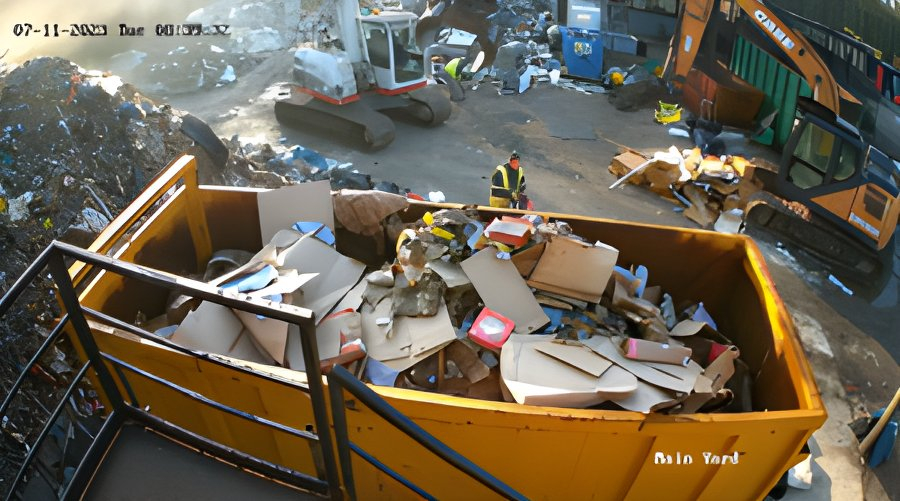
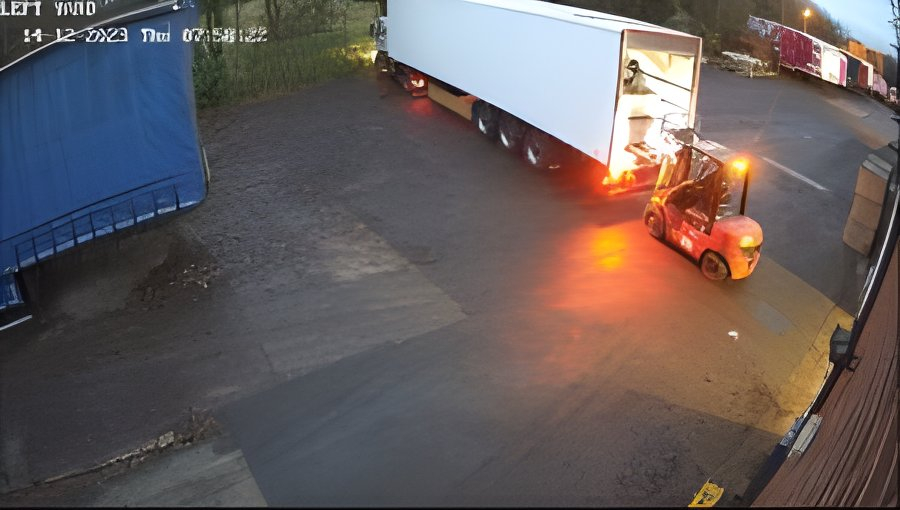
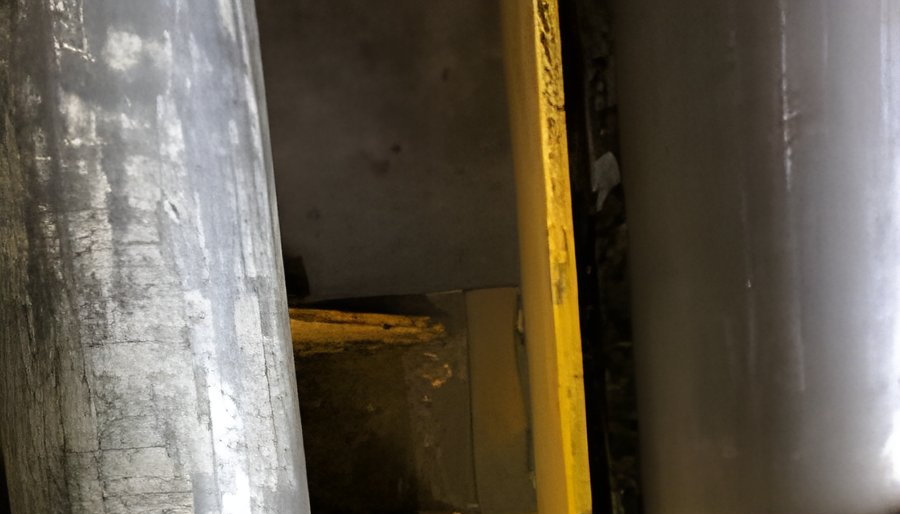
HSE visited the site in August 2022 and observed vehicles being driven around the yard without effective pedestrian segregation. The pedestrian entrance was chained and padlocked, forcing pedestrians to use the vehicle entrance route shared with lorries and other vehicles. There were no effective designated pedestrian routes or crossing points. HSE also found skips stacked unsafely, with some deformed, making them unstable. In places the stacks were three high, which increased the likelihood of collapse or falling. The skips were located in an area regularly accessed by workers on foot or in vehicles.
What Was The Outcome?
The company pleaded guilty to two offences under section 33(1)(a) of the Health and Safety at Work etc Act. It was fined £167,000 and ordered to pay £16,195 in costs. HSE had previously served prohibition notices in 2019 relating to stockpiling and risks of collapse, and served improvement notices after the August 2022 concerns with a required timescale for action.
Key Points To Consider
Prevent vehicle and pedestrian mixing on site. Ensure pedestrians have safe routes and crossing arrangements and do not rely on informal movement patterns where vehicles circulate throughout the yard.
Control skip storage to stop collapse risks. Stacking arrangements must account for skip size and weight, condition and stability, and location so that any likely fall cannot endanger workers or others.
Keep traffic management plans current and usable. A traffic plan must be visible to staff and visitors and reflect the current site layout, including key pedestrian movements such as access to welfare facilities.
Act quickly after enforcement and address root causes. Improvement notices set legal deadlines, but the underlying risks must be corrected in a way that prevents recurrence, not just short term compliance.
Heed prior enforcement as a clear warning. Where enforcement has previously identified similar failures, the duty holder must demonstrate that legal duties have been embedded into day to day arrangements and not treated as a one off fix.
Tags: regulatory, news, transport safety, machinery safety, fall protection, compliance, core health & safety

In Other News




Sign up to our newsletter
Most Read