
Employer Fined After Cleanroom Wall Panels Collapsed During Dismantling
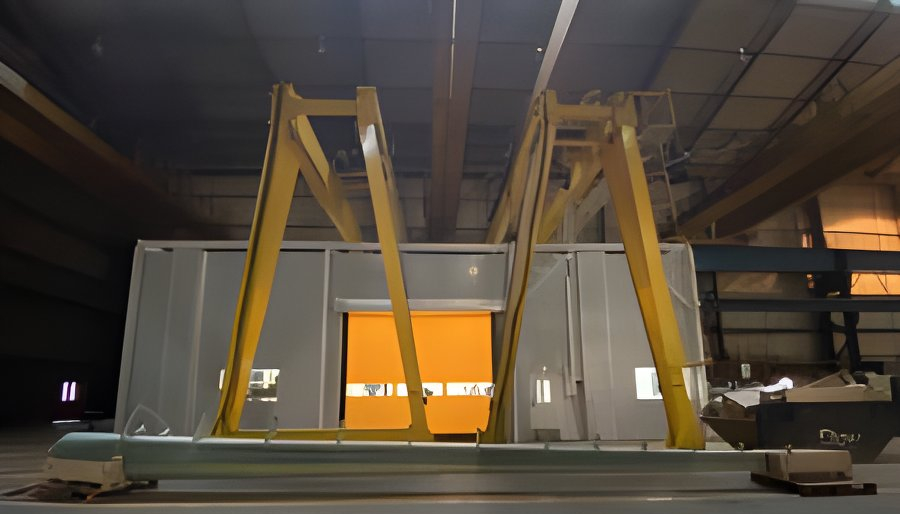
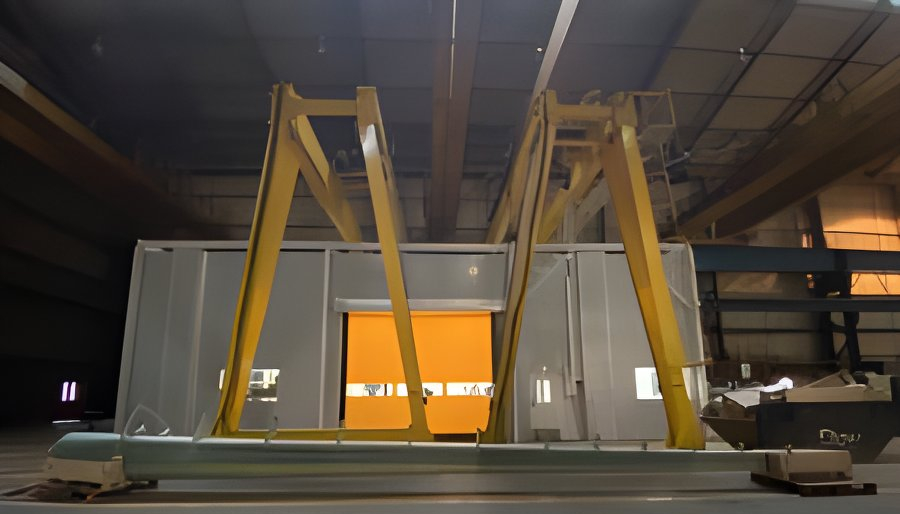
Employer Fined After Cleanroom Wall Panels Collapsed During Dismantling
Brief Summary
An employer carrying out the removal of cleanroom wall panels was fined after a collapse ejected a worker from a scissor lift and led to fatal injuries. The HSE investigation concluded that risks from dismantling a structure not originally installed by the employer were not adequately assessed and that the risk assessment and method statement were not communicated to those doing the work.
What Was The Incident?
During a cleanroom dismantling operation at a specialist technology centre in Renfrew on 9 November 2022, a worker carrying out work at about four metres on a scissor lift removed wall panels. After the roof had been removed, the remaining panels lacked sufficient lateral support and fell, striking the platform and ejecting the worker onto the warehouse floor.
What Was The Outcome?
The employer pleaded guilty to breaching provisions of the Health and Safety at Work Act etc 1974. It was fined £50,000 with a victim surcharge of £3,750. The worker died in hospital the day after the incident.
Key Points To Consider
Risk assessment must address structural instability during dismantling. When removing panels from a structure built by others, latent defects and loss of stability can increase collapse risk, and the risk assessment must cover unplanned collapse hazards rather than relying on assumptions about the original build.
Put the method into effect, including temporary supports. If the method statement requires A frame props or supports where necessary, they must be present and in use before work proceeds, with clear checks to ensure the plan matches site conditions.
Do not rely on visual checks to remove inherent dismantling risks. Visual exterior inspections are not enough to assume a third party structure is fit for dismantling, because disassembly can reveal or amplify risks that are not evident before work starts.
Communicate risks and safe systems of work to those doing the task. Where a risk assessment and method statement exist, they must be effectively communicated to the employees carrying out the work so they understand the dangers and required controls.
Plan work at height around the specific hazards of the job. Falls from height remain a leading cause of serious harm, so height work during dismantling must be supported by robust planning that prevents secondary events such as structural collapse from causing falls.
Tags: regulatory, news, work at height, access equipment, fall protection, construction safety, safety training
In Other News


Sign up to our newsletter
Most Read


Crown Censure Authorised After Fatal Tank Explosion
Wed 1st Jul 2026

Contractor Fined After Tipper Truck Fell From Excavation Ramp Edge
Fri 26th Jun 2026

Company Fined After Pedestrian Struck by Reversing Flat Bed Truck
Tue 23rd Jun 2026

Leisure Firm Fined After Floodlight Electrocution
Wed 17th Jun 2026