
Syngenta Fined After Dangerous High Pressure Steam Release During Maintenance
Wed 28th Jan 2026 by HS Hub
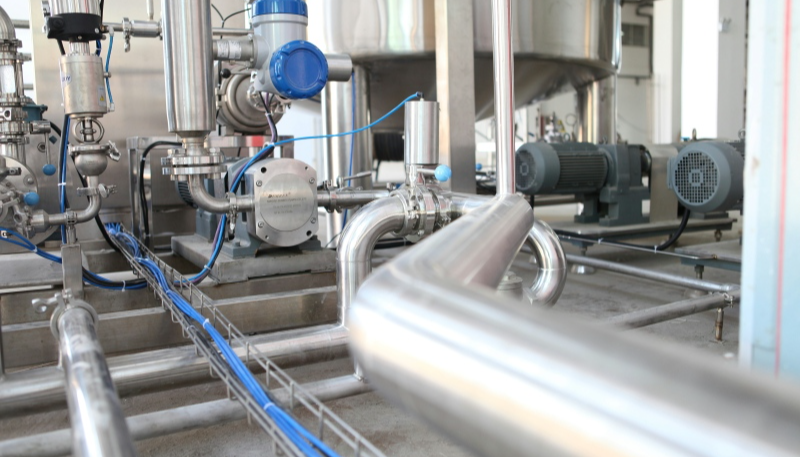
Syngenta Fined After Dangerous High Pressure Steam Release During Maintenance

Brief Summary
A chemicals company was fined £400,000 after a contractor narrowly escaped serious injury from a high pressure steam release during planned maintenance. The case highlights how poor maintenance condition and weak risk assessment and isolation arrangements can lead to uncontrolled releases during routine work on steam systems.
What Was The Incident?
On 6 November 2023, a 59 year old contractor working for the company under its control and direction was carrying out unsafe maintenance work as a mechanical fitter. While replacing a faulty steam trap on small bore pipework, a sudden failure of the valve used to isolate the work location led to an uncontrolled release of high pressure steam.
What Was The Outcome?
The Company pleaded guilty to failing to ensure isolation arrangements and related work equipment were maintained in an efficient state, efficient working order and in good repair, contrary to Regulation 5(1) of PUWER, and to failing to make a suitable and sufficient risk assessment for the specific maintenance work, contrary to Regulation 3(1) of the Management of Health and Safety at Work Regulations 1999. The company was fined £400,000 and ordered to pay costs of £8,288 at Leeds Magistrates Court on 28 January 2026.
What Lessons Can Be Learnt?
Maintain isolation equipment in safe condition. Where isolation relies on valves and flange components, corrosion or poor condition can undermine isolation and allow an uncontrolled release during maintenance.
Use safer isolation arrangements for maintenance tasks. Relying on a single method of isolation increased risk. HSE guidance emphasises double isolation as a safer approach, particularly where corrosion of the equipment is known.
Fit risk assessment to the specific job and its hazards. A routine risk assessment process that uses a single isolation method failed to appreciate the increased risk presented by corrosion and the specific way the maintenance work would be carried out.
Control the consequences of trapped pressure or material. Cutting flange bolts reduced the ability to control any unexpected trapped contents or remaining pressure in pipework compared with approaches that allow better control.
Ensure the system of work matches the actual maintenance method. The incident showed that combining ineffective isolation with unsafe maintenance methods created a dangerous scenario. Simple control measures could have reduced the risk if the planned work had been managed safely.
Tags: regulatory, news, permit to work, machinery, compliance

In Other News


Sign up to our newsletter
Most Read


Worker Crushed In Unsupported Trench Causes Prosecution
Wed 9th Sep 2026
Supervisor Severely Injured After Entering Live Palletiser
Fri 28th Aug 2026


Worker Crushed In Unsupported Trench Causes Prosecution
Wed 9th Sep 2026



Worker Suffers Arm Fractures After Unguarded Conveyor
Fri 4th Sep 2026

Farmer Fined After ATV Overturn Kills Employee
Fri 4th Sep 2026

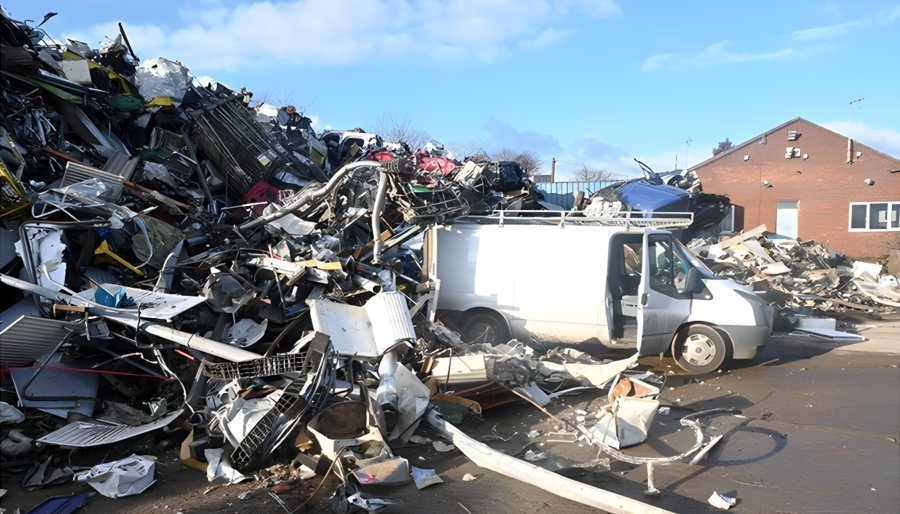
Public Injured When Scrap Metal Pile Collapsed
Wed 2nd Sep 2026
Supervisor Severely Injured After Entering Live Palletiser
Fri 28th Aug 2026
Worker Fractures Twelve Ribs During Pillar Drill Lifting Incident
Wed 26th Aug 2026