
City Council Fined After Corroded Lamppost Causes Life Changing Injuries
Mon 12th Jan 2026 by HS Hub
City Council Fined After Corroded Lamppost Causes Life Changing Injuries

Brief Summary
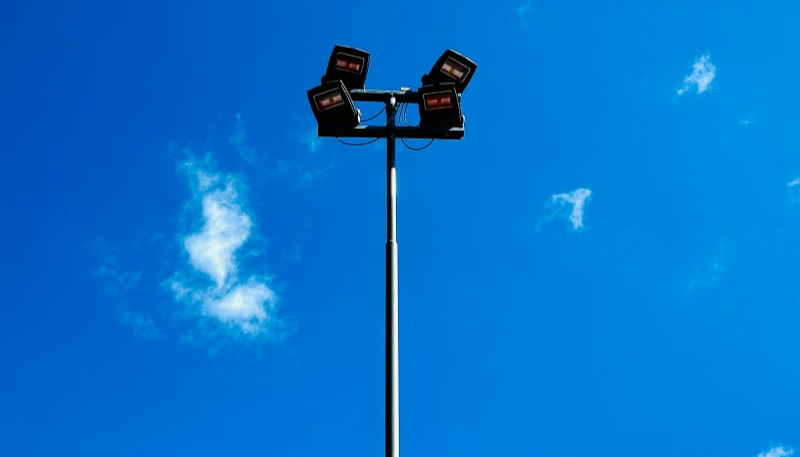
Glasgow City Council was fined £80000 after a military veteran suffered life changing injuries when a badly corroded lamppost collapsed. The HSE found the inspection regime did not identify the true extent of corrosion or the immediate risk of collapse, and the Council did not follow industry guidance on prioritising removal.
What Was The Incident?
In June 2023, a 50 year old man was standing by the roadside speaking with a work colleague when a lamppost collapsed and struck him from behind, pinning him to the ground. Overhead cables were then snagged by a passing vehicle, which dragged the collapsed lamppost over him.
What Was The Outcome?
The Council pleaded guilty to breaching Section 3(1) of the Health and Safety at Work etc. Act 1974. It was fined £80000 at Glasgow Sheriff Court on 8 January 2026. After the incident, the Council removed other similar lampposts with base embellishments and updated its lighting maintenance procedures.
What Lessons Can Be Learnt?
Treat ageing street infrastructure as a serious risk. Where assets are well beyond expected service life, corrosion and structural failure must be assumed to be a realistic possibility unless proven otherwise by effective assessment.
Inspection must reveal the real condition, not just surface appearance. The HSE found visual inspections were inadequate to identify severe corrosion at the base or the immediate risk of collapse. Plans should include methods that can detect the degree of deterioration that drives failure.
Use a risk based inspection and maintenance system. A column had been identified as being in poor condition and replacement was scheduled later, yet the inspection regime failed to identify the extent of corrosion and immediate risk. Risk management should link inspection findings to timely protective action.
Follow relevant industry guidance for prioritising repairs and removal. The Council did not prioritise removal of columns assessed as being in poor condition based on the consequence of their failure, contrary to established industry guidance. Priorities should reflect both likelihood and consequence.
Act quickly and improve systems after incidents and near misses. Following the incident, the Council removed similar lampposts and updated maintenance procedures. Duty holders should use findings from incidents to strengthen assessment capability and ensure consistent application across the estate.
Tags: regulatory, news, compliance, audit, core health & safety
In Other News


Sign up to our newsletter
Most Read




Worker Suffers Partial Thumb Loss During Manual Handling Task
Wed 7th Oct 2026

Construction Company Fined After Fatal Fall From First Floor
Fri 2nd Oct 2026

Worker Killed After Access Through Guarding On Conveyor
Tue 29th Sep 2026
Pedestrian Killed At Bus Station After Poor Crossing Design
Fri 25th Sep 2026


Two Companies Fined Over Death Caused By Falling Penthouse Window
Thu 24th Sep 2026