
Company Fined After Hydrogen Sulphide Exposure in Pump Room
Thu 8th Jan 2026 by HS Hub
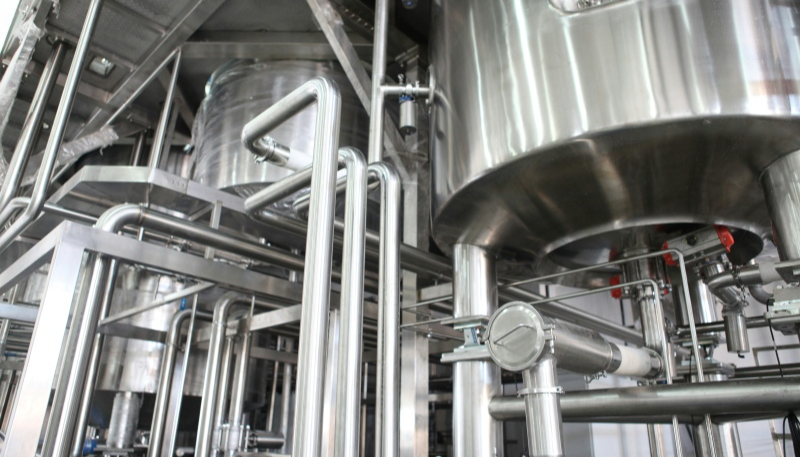
Company Fined After Hydrogen Sulphide Exposure in Pump Room

Brief Summary
A cellulose film packaging manufacturer was fined after workers at its Wigton site were exposed to hydrogen sulphide, a harmful gas. One employee died after collapsing in a pump room, and the HSE investigation identified failures in assessing and controlling the risk of gas build up in site drainage systems. The case highlights how missed exposure pathways can turn a production by product into a serious workplace fatality risk.
What Was The Incident?
On 24 December 2021, an employee was found collapsed in a pump room following exposure to gas at the company factory premises in Wigton, Cumbria. A delivery driver attempted to help and was also overcome by the gas. Both were rescued; the driver quickly regained consciousness, but the employee died in hospital the following day. An inquest concluded that hydrogen sulphide had contributed to the employee’s death on the balance of probabilities.
What Was The Outcome?
The company pleaded guilty to breaches of Sections 2(1) and 3(1) of the Health and Safety at Work etc. Act 1974. It was fined £200,000 and ordered to pay £20,000 in costs. The prosecution was heard at Warrington Magistrates’ Court on 6 January 2026.
What Lessons Can Be Learnt?
Identify gas pathways beyond the immediate process area. The HSE found the company did not adequately assess how hydrogen sulphide, a by product of the production process, could enter the site water effluent system, creating an exposure risk via drainage routes.
Assess drainage systems for potential gas build up. Even where risks in production areas have been reviewed, inadequate assessment and risk controls for hydrogen sulphide build up in site drainage meant gas could be released from drains and expose people.
Use robust COSHH thinking to reduce exposure as low as reasonably practicable. HSE expects employers to carry out adequate risk assessments for substances harmful to health and implement sufficient controls to reduce exposure to a level as low as is reasonably practicable, including controls informed by all credible routes of exposure.
Treat by products as workplace hazards with full control coverage. Where harmful substances are produced within processes, the risk assessment must fully consider and control all exposure pathways, not only the locations where the substance is first generated.
Ensure prevention and emergency readiness are linked to identified risks. The incident showed how rescuers can also become exposed when gas is present in enclosed or hazardous areas, underlining the need for risk based planning and controls that address exposure during intervention.
Tags: regulatory, news, confined spaces, gas detection, hazmat, rescue

In Other News



Sign up to our newsletter
Most Read


Worker Crushed In Unsupported Trench Causes Prosecution
Wed 9th Sep 2026
Supervisor Severely Injured After Entering Live Palletiser
Fri 28th Aug 2026


Worker Crushed In Unsupported Trench Causes Prosecution
Wed 9th Sep 2026



Worker Suffers Arm Fractures After Unguarded Conveyor
Fri 4th Sep 2026

Farmer Fined After ATV Overturn Kills Employee
Fri 4th Sep 2026

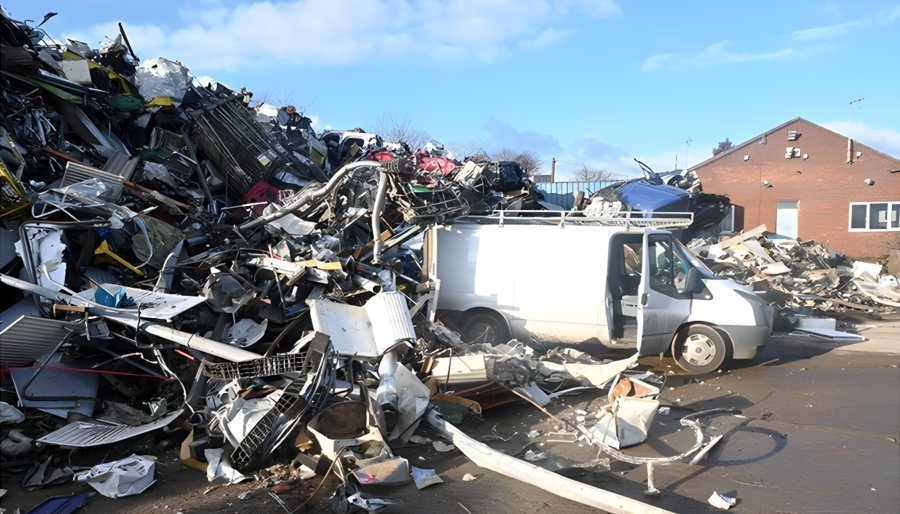
Public Injured When Scrap Metal Pile Collapsed
Wed 2nd Sep 2026

Supervisor Severely Injured After Entering Live Palletiser
Fri 28th Aug 2026
Worker Fractures Twelve Ribs During Pillar Drill Lifting Incident
Wed 26th Aug 2026