
Managing Medication Related Risks in the Workplace
Tue 24th Nov 2026 by EBIS-HSE

Managing Medication Related Risks in the Workplace

The research highlights that medication-related workplace risk is not simply a medical issue. It also depends on communication, occupational health coordination, worker awareness, and the strength of an organisation’s preventive culture. The findings are especially relevant for safety-critical work where drowsiness, reduced concentration, slower reaction times, or impaired coordination may increase the likelihood of incidents.
Summary
The study concludes that medication-related occupational risks can be managed more effectively through better information, stronger coordination between healthcare and occupational health professionals, and greater consideration of a worker’s job when medicines are prescribed. Particular attention is given to safety-critical tasks such as driving, operating machinery, working at height, or carrying out activities that require sustained concentration and fast reactions.
The strongest recommendations focused on improving training and awareness, reducing inappropriate self-medication, strengthening communication between family doctors and occupational physicians, and using digital systems to identify medicines that may affect safe work performance. The study also makes clear that worker privacy and medical confidentiality must be protected, and that employers should not have unrestricted access to medical information.
More intrusive approaches, such as routine biological testing for medication use, received much less support because of concerns around privacy, proportionality, legal safeguards, and employment rights. Overall, the research argues that medication should be treated as part of wider occupational risk management rather than as an isolated medical issue.
Methodology
The researchers used a qualitative expert-panel approach based on the Nominal Group Technique. Ten occupational health and safety experts took part in an in-person session focused on how health and safety management could reduce the impact of medication on occupational risk.
Participants generated and discussed practical proposals, which were then grouped into key themes including training and information, coordination between general healthcare and occupational health, better integration of relevant medical and occupational information, health surveillance, and the development of a stronger preventive culture. The study is exploratory, meaning the findings reflect expert consensus and professional judgement rather than the results of a tested workplace intervention.
Key Findings
1. Improve Medication Awareness
The study found that workers and healthcare professionals need a better understanding of how medicines may affect concentration, alertness, coordination, judgement, and reaction time. This is particularly important where workers perform tasks in which even a small reduction in functional capacity could increase the likelihood of an accident.
2. Strengthen Healthcare and Occupational Health Coordination
Family doctors and specialists may not always know enough about the occupational risks faced by their patients. Better communication with occupational physicians could help ensure that prescribing decisions take account of job demands and possible safety implications, while still protecting medical confidentiality.
3. Improve Training and Information
Training was one of the strongest areas of agreement among the experts. Workers should receive clear information about the possible occupational effects of medication, while employers and prevention professionals should understand when occupational health advice may be needed. The aim is to improve awareness without creating unnecessary fear or stigma around medication use.
4. Use Digital Alerts Where Appropriate
The study suggests that healthcare IT systems could help clinicians identify situations where prescribed medication may conflict with particular work activities. Digital alerts could prompt healthcare professionals to consider a patient’s occupation, work demands, and possible medication side effects before finalising treatment.
5. Protect Privacy and Worker Rights
The researchers stress that medication-related risk management must respect confidentiality and data protection. Routine or unannounced testing for medication was among the least supported proposals because of concerns about proportionality, privacy, and employment rights. Any health monitoring should therefore be justified by the level of risk and supported by an appropriate legal and ethical framework.
6. Adapt Measures for SMEs
SMEs may have fewer occupational health resources than larger organisations, so prevention measures need to be practical and proportionate. Training, clear communication, external occupational health support, and improved worker awareness may be more achievable than complex monitoring systems.
7. Build a Stronger Preventive Culture
The experts identified weak preventive culture as an important barrier to effective medication risk management. A stronger approach would encourage workers to raise concerns, help healthcare professionals consider occupational factors more routinely, and support employers in focusing on prevention rather than compliance alone.
Takeaways for Practice
- Include medication effects within occupational risk awareness, particularly for safety-critical work.
- Improve worker education on prescribed and self-administered medicines.
- Encourage healthcare professionals to consider occupation when prescribing.
- Strengthen cooperation between family doctors, specialists, and occupational physicians.
- Use digital warning systems carefully to support safer prescribing.
- Protect confidentiality and avoid unnecessary disclosure of medical information.
- Adapt prevention measures to the resources and realities of SMEs.
- Treat intrusive testing cautiously and only where legally and ethically justified.
- Promote a workplace culture where medication-related concerns can be raised without stigma.
Read the full research study here:
Herrera-Pérez, V., Pardo-Ferreira, M. C., Salguero Caparrós, F. M., & Rubio-Romero, J. C. (2026). Health and safety management actions to reduce the impact that medication can have on occupational risks in SMEs. Frontiers in Public Health, 14, 1887772. https://doi.org/10.3389/fpubh.2026.1887772
Tags: research, occupational health, machinery safety, construction safety
In Other News



Sign up to our newsletter
Most Read






Trainee Scaffolder Killed After Five Metre Fall
Fri 6th Nov 2026


Fragile Barn Roof Fall Leads To Fine
Thu 5th Nov 2026
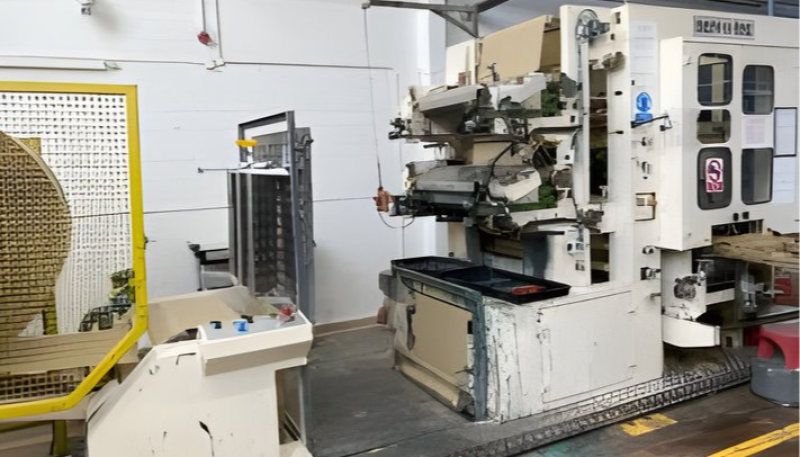
Hand Trapped In Print Rollers During Cleaning
Thu 5th Nov 2026
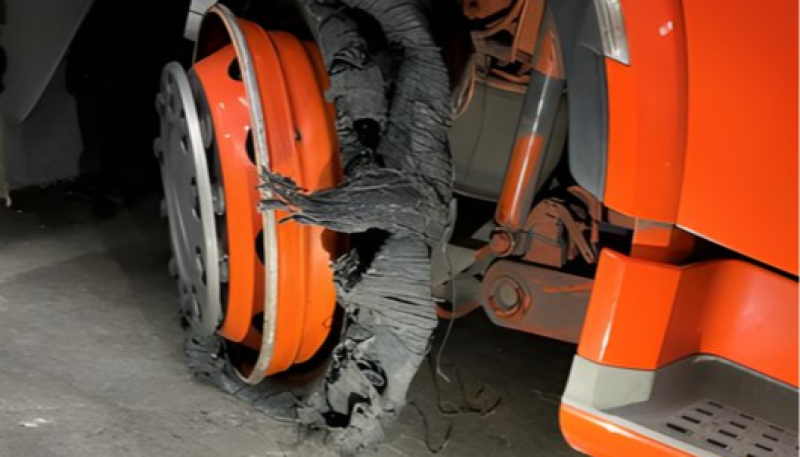
Tyre Fitter Killed After Truck Fell During Roadside Repair
Wed 4th Nov 2026

Crown Censure After Fatal Armoured Vehicle Training Incident
Tue 3rd Nov 2026

Roof Fire During Welding On 14 Storey Apartment Block
Fri 30th Oct 2026