Workplace Lung Disease Statistics 2026: 11,000 Annual Deaths Linked to Past Workplace Exposure
Thu 3rd Dec 2026 by HS Hub

Workplace Lung Disease Statistics 2026: 11,000 Annual Deaths Linked to Past Workplace Exposure

Overview
Occupational lung disease remains a substantial cause of work-related mortality in Great Britain, with approximately 11,000 deaths each year attributed to past workplace exposure. An estimated 22,000 new cases of breathing or lung problems were also reported annually, averaged over 2023/24 to 2025/26. For employers and occupational health managers, the findings reinforce the need to examine exposure prevention, respiratory protection and the effectiveness of existing workplace controls.
Understanding the Difference Between Current Illness and Historical Exposure
Occupational lung disease statistics combine information from different sources and reporting periods. This distinction matters when employers use the figures to assess health risks or compare organisational performance.
The estimate of 11,000 annual deaths reflects the effects of historical occupational exposure and is based on mortality records and epidemiological research. Some of the diseases included can take decades to develop, meaning that current mortality cannot be treated as a direct measure of today's working conditions.
By comparison, the estimated 22,000 new cases of work-related breathing or lung problems are based on self-reported illness among people who worked during the preceding 12 months. The estimate represents an annual average across three reporting years.
Managers should therefore avoid interpreting these figures as if they describe the same population, exposure period or method of measurement.
What the Mortality Figures Reveal About Respiratory Disease
Chronic obstructive pulmonary disease accounts for the largest proportion of estimated occupational lung disease deaths, at 36%. Non-asbestos-related lung cancer represents 23%, while mesothelioma and asbestos-related lung cancer each account for 19%.
Other respiratory diseases account for approximately 3% of estimated deaths. Together, these categories contribute to the approximately 11,000 annual deaths associated with past occupational respiratory exposure.
The distribution illustrates the different forms of serious illness associated with harmful workplace substances. Dusts, fumes, gases and vapours may create different respiratory hazards depending on their composition, concentration and the circumstances of exposure.
For managers, the appropriate response is to identify the substances involved in their own operations and determine which preventive measures are necessary.
Asbestos Mortality and Future Mesothelioma Projections
The latest figures record 2,146 mesothelioma deaths in 2024, alongside a similar estimated number of lung cancer deaths associated with historical asbestos exposure.
Annual mesothelioma mortality is projected to decline between 2025 and 2040. The forecast reflects expected changes in deaths arising from exposures that occurred in earlier decades and is subject to uncertainty.
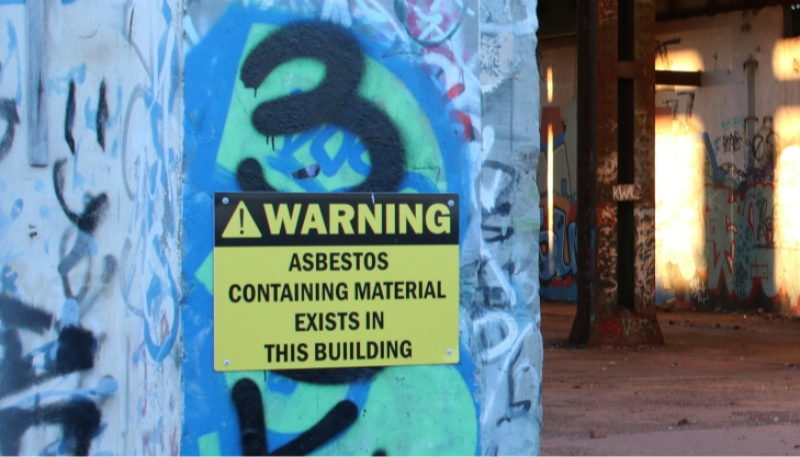
A projected reduction should not be interpreted as evidence that asbestos management requirements are becoming less relevant. Asbestos-containing materials may remain in existing premises, and activities disturbing those materials can create exposure risks.
Employers and those responsible for buildings should ensure that relevant asbestos information, management arrangements and work controls remain suitable for the activities undertaken.
Preventing Exposure to Dusts, Fumes and Airborne Contaminants
Effective respiratory risk management begins with understanding how hazardous substances are generated, released and inhaled during work.
Activities involving construction dust, welding fumes, manufacturing processes and chemical handling may require specific exposure controls. The necessary measures depend on the hazardous substances present and the nature of the activity.
Employers should consider whether harmful substances or processes can be eliminated or replaced. Where exposure cannot reasonably be prevented, adequate control may require enclosure, process modification or local exhaust ventilation.
Respiratory protective equipment must be suitable for the hazard and properly used where required. Its provision should form part of an appropriate control strategy, supported by training, maintenance and supervision.
Respiratory Health Surveillance and Early Reporting
Health surveillance may be required where employees are exposed to substances associated with identifiable occupational respiratory disease and the relevant regulatory conditions are met.
Suitable arrangements can help identify early signs of work-related illness and indicate where preventive measures need to be reviewed. Employees should understand how to report breathing difficulties and other symptoms that may be associated with their work.
Medical surveillance and health records must be managed according to the applicable requirements. Findings indicating possible work-related disease should prompt consideration of the employee's exposure and the effectiveness of existing precautions.
The absence of reported symptoms does not establish that exposure controls are adequate, particularly for diseases with long latency periods.
Reviewing Occupational Asthma Trends
The annual rate of new occupational asthma cases reported by chest physicians has remained broadly constant since 2010. However, the effects of the coronavirus pandemic have introduced additional uncertainty into the more recent figures.
These reports provide information about occupational asthma diagnosed through specialist reporting arrangements. They are different from the broader Labour Force Survey estimates of breathing or lung problems caused or made worse by work.
Employers should consider the findings when reviewing exposure to substances capable of causing occupational asthma, particularly where work involves respiratory sensitisers.
Tags: article, occupational health, ppe, core health & safety
In Other News



Sign up to our newsletter
Most Read





Trainee Scaffolder Killed After Five Metre Fall
Fri 6th Nov 2026


Fragile Barn Roof Fall Leads To Fine
Thu 5th Nov 2026
Hand Trapped In Print Rollers During Cleaning
Thu 5th Nov 2026
Tyre Fitter Killed After Truck Fell During Roadside Repair
Wed 4th Nov 2026

Crown Censure After Fatal Armoured Vehicle Training Incident
Tue 3rd Nov 2026

Roof Fire During Welding On 14 Storey Apartment Block
Fri 30th Oct 2026