Injury at Work Statistics 2026: What the Latest Figures Show
Mon 7th Dec 2026 by HS Hub

Injury at Work Statistics 2026: What the Latest Figures Show

Overview
Workplace injuries continue to affect large numbers of workers across Great Britain, with an estimated 688,000 people sustaining non-fatal injuries during 2025/26. The latest statistics also record 126 fatal injuries and 4.6 million working days lost. For employers and health and safety managers, the findings provide a basis for examining accident prevention priorities, reporting arrangements and whether existing workplace controls remain effective.
Understanding the Difference Between Reported and Estimated Injuries
The latest figures identify 58,298 non-fatal employee injuries reported by employers under RIDDOR, compared with an estimated 688,000 non-fatal injuries identified through the Labour Force Survey.
These totals should not be interpreted as conflicting measurements of the same incidents. RIDDOR records injuries meeting statutory reporting requirements, while the Labour Force Survey provides estimates based on workers' own reports of workplace injuries.
The distinction matters when employers compare their organisational performance with national statistics. A low number of RIDDOR reports does not necessarily mean that other workplace injuries are uncommon.
Internal reporting arrangements should capture relevant accidents and near misses so that managers can identify recurring hazards and examine whether existing precautions remain suitable.
Reviewing the Most Frequent Accident Categories
Employer-reported injury statistics identify several accident types that deserve attention during routine safety reviews.
Slips, trips and falls on the same level accounted for 29% of non-fatal injury reports in 2025/26. Handling, lifting or carrying represented another 18%, while acts of violence and incidents involving moving objects each accounted for 11%.
Falls from height represented 8% of employer-reported non-fatal injuries. Although this proportion was lower than several other categories, the potential consequences of falling from height require appropriate preventive measures.
These percentages describe the distribution of reported non-fatal injuries. They should not be treated as a ranking of every workplace hazard by severity.
Managers should examine the nature of their own operations and use local incident information to establish where further risk reduction is necessary.
Addressing Slips, Trips and Manual Handling Risks
The prominence of slips, trips and falls on the same level indicates why basic workplace conditions require continuing attention. Floor surfaces, spillages, access routes, lighting and housekeeping arrangements can all influence the likelihood of incidents.
Inspections should establish whether these conditions remain suitable during normal activities, including periods of increased movement or operational changes.
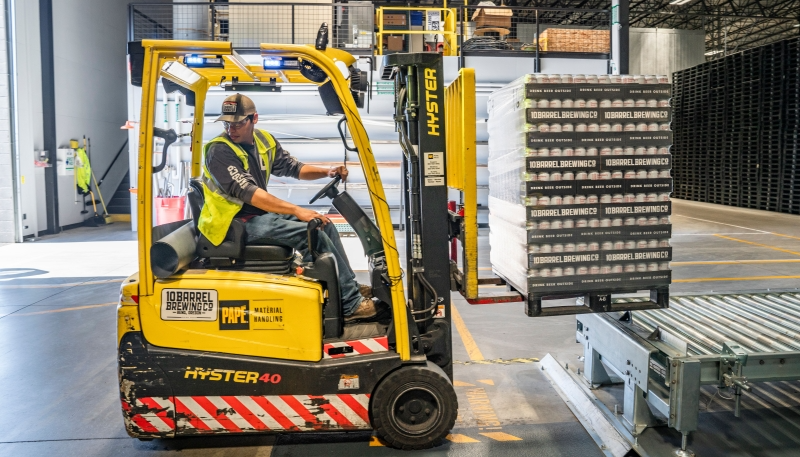
Manual handling incidents also account for a substantial share of reports. Employers should examine whether hazardous lifting and carrying can be avoided, whether mechanical assistance is available and whether working methods adequately reduce the risk of injury.
Training may support safe working, but it should be accompanied by practical measures that address the hazards associated with the task.
Serious Injuries and Fatal Accident Prevention
The 126 fatal injuries recorded during 2025/26 demonstrate the continuing need to manage hazards capable of causing death or serious harm.
The long-term fatal injury rate has declined, although the pace of improvement has slowed in recent years. Annual fatality totals should be examined within this longer-term context because relatively small changes in numbers can affect year-to-year comparisons.
Employers should maintain effective arrangements for identifying serious hazards and implementing suitable precautions. These arrangements should be supported by supervision, inspection and review.
A low local accident count should not be relied upon as the sole evidence that potentially serious risks are controlled.
Injury-Related Absence and Operational Consequences
Of the estimated 688,000 workers sustaining non-fatal workplace injuries, approximately 145,000 experienced more than seven days' absence. This represented 21% of the total, while 543,000 cases involved up to seven days' absence.
Across Great Britain, non-fatal injuries accounted for approximately 4.6 million lost working days during 2025/26.
For employers, these figures provide context for examining the consequences of workplace accidents. Extended absence can affect staffing and work allocation, but injury severity and the circumstances of an incident should also inform management decisions.
Incident investigations should establish what happened, which precautions were ineffective and what changes are needed to prevent recurrence.
Interpreting Workplace Injury Trends
The rate of self-reported non-fatal workplace injuries has remained broadly flat over the past four years and is similar to pre-pandemic rates.
By comparison, the rate of employer-reported non-fatal injuries has continued its longer-term downward trend. The different patterns reflect separate reporting systems and should be interpreted with their respective definitions in mind.
Managers should avoid assuming that national improvements demonstrate effective local controls. Organisational trends should be assessed using consistent reporting methods and sufficient information about the activities involved.
Tags: article, compliance, core health & safety, strategy, fall protection
In Other News



Sign up to our newsletter
Most Read





Trainee Scaffolder Killed After Five Metre Fall
Fri 6th Nov 2026


Fragile Barn Roof Fall Leads To Fine
Thu 5th Nov 2026
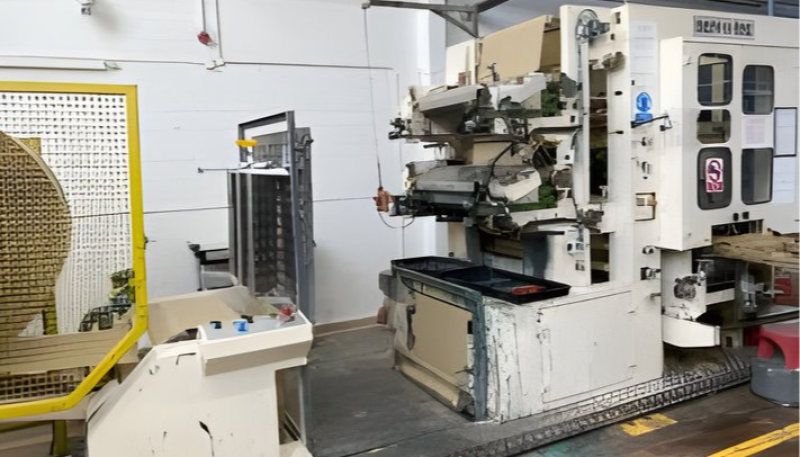
Hand Trapped In Print Rollers During Cleaning
Thu 5th Nov 2026
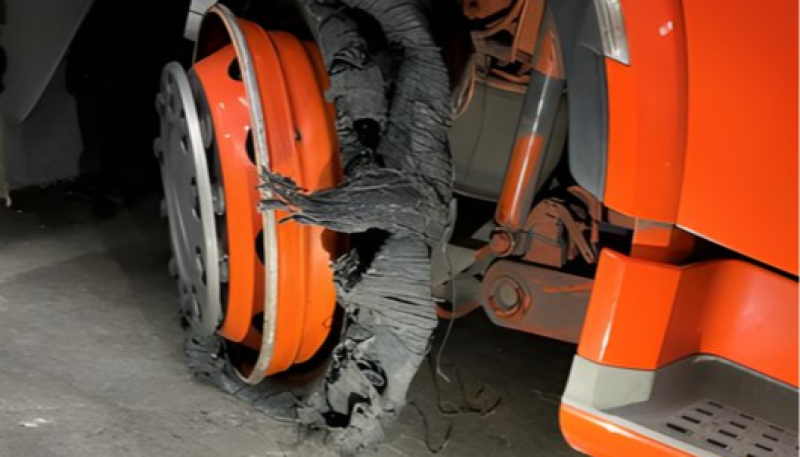
Tyre Fitter Killed After Truck Fell During Roadside Repair
Wed 4th Nov 2026

Crown Censure After Fatal Armoured Vehicle Training Incident
Tue 3rd Nov 2026

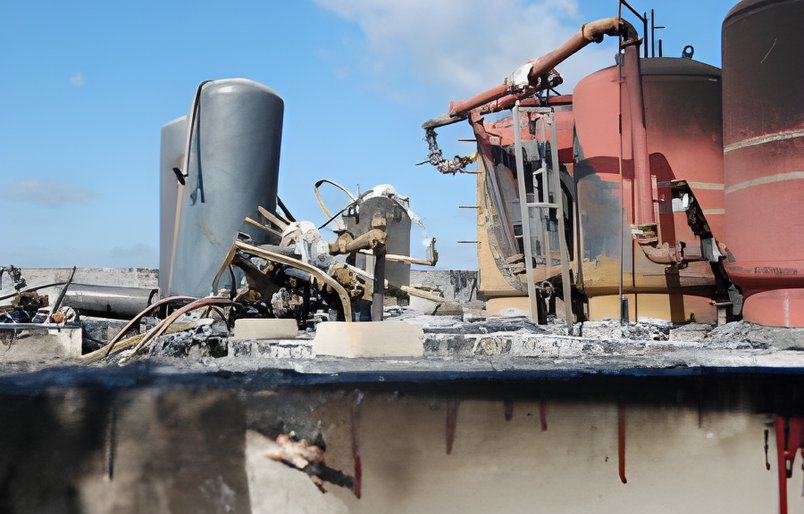
Roof Fire During Welding On 14 Storey Apartment Block
Fri 30th Oct 2026