
Crate Fell From Forklift Causes Life Changing Injury
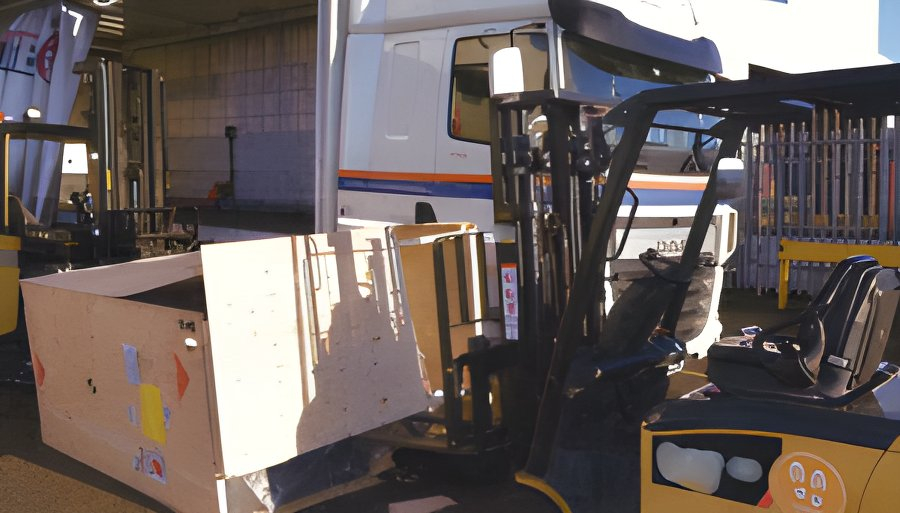
Crate Fell From Forklift Causes Life Changing Injury
Brief Summary
A delivery crate of about 1.2 tonnes fell from a forklift during unloading on site because the task was not planned, assessed or supervised. The employer did not check whether its two tonne forklift was suitable for the load, did not define who would carry out or oversee the lift and did not control the operation. The company was prosecuted under health and safety law, a finding that prompts practical checks for anyone managing non standard lifts.
What Was The Incident?
A delivery driver was unloading a large crate containing an electron microscope at a manufacturing site when the crate fell from a forklift and landed on the worker, causing life changing injuries. The delivery was due to include a forklift and driver supplied by the carrier, but because site access arrangements were changed during the Covid pandemic the employer took responsibility for unloading. The unloading task was not properly assessed or planned, there was no check of the suitability of the employer's two tonne forklift for the characteristics of the load, and the operation was not meaningfully supervised. As a result a worker was positioned in an unsafe place and the load was lifted in an unsafe way.
What Was The Outcome?
The employer was found guilty of breaching Section 3(1) of the Health and Safety at Work etc. Act 1974. The company was fined 230,000 and ordered to pay 111,000 in costs.
Key Points To Consider
Plan lifting and unloading operations. Carry out a proportionate risk assessment that covers the nature and weight distribution of the load, the chosen method of lift, equipment capacity and the roles and responsibilities of everyone involved.
Set clear supervision and control. Specify which person or role will supervise the task, how they will control the area during lifting, and what actions are required to keep staff and visitors out of harm's way during non standard lifts.
Confirm equipment suitability and competence. Verify that the lifting equipment has adequate capacity for the actual load and that operators are competent; where third parties are involved record who supplies equipment, who will operate it and who is accountable for safe execution.
Tags: regulatory, news, machinery safety, transport safety, safety training, contractor safety
In Other News


Sign up to our newsletter
Most Read





Worker Crushed In Unsupported Trench Causes Prosecution
Wed 9th Sep 2026


Worker Suffers Arm Fractures After Unguarded Conveyor
Fri 4th Sep 2026

Farmer Fined After ATV Overturn Kills Employee
Fri 4th Sep 2026
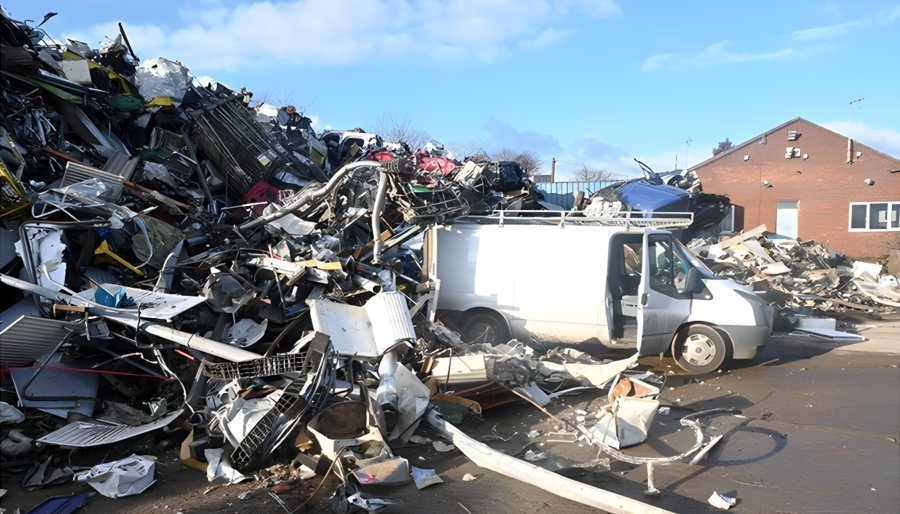
Public Injured When Scrap Metal Pile Collapsed
Wed 2nd Sep 2026

Supervisor Severely Injured After Entering Live Palletiser
Fri 28th Aug 2026

Six Figure Fine After Repeated Corrosion Under Insulation Leaks
Wed 26th Aug 2026
Worker Fractures Twelve Ribs During Pillar Drill Lifting Incident
Wed 26th Aug 2026

Strengthening Preventive Workplace Safety
Tue 25th Aug 2026