Six Figure Fine After Repeated Corrosion Under Insulation Leaks
Wed 26th Aug 2026 by HS Hub
Six Figure Fine After Repeated Corrosion Under Insulation Leaks

Brief Summary
Five leaks of extremely flammable hydrocarbons occurred at a chemical processing plant between 2018 and 2019. An investigation found the employer relied on inadequate visual scoping and a risk scoring process that missed corroding insulated pipework. The case shows how weak inspection practice and inappropriate investigation thresholds can allow persistent leaks of hazardous substances.
What Was The Incident?
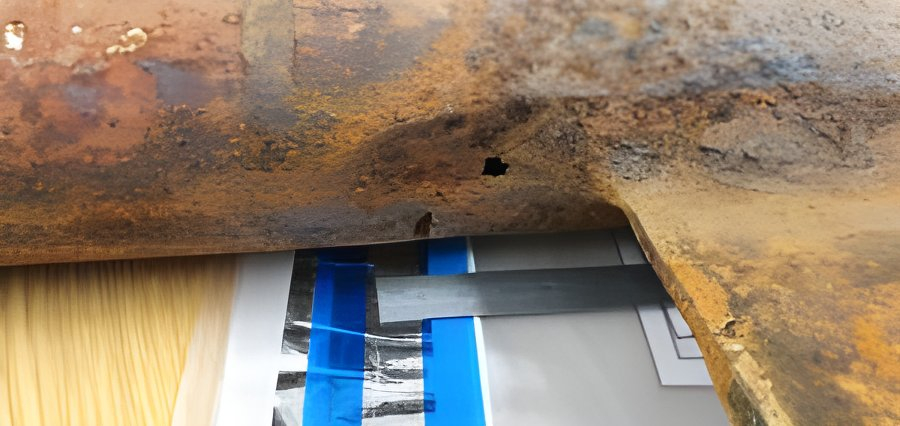
Between February 2018 and September 2019 there were five known leaks of dimethyl sulphide and ethane from insulated steel pipework at a natural gas processing plant. Leaks included pinhole failures and corroded cladding that allowed gas to escape while the plant was operating. One leak persisted for around four months before corrective action. All leaks were attributed to corrosion under insulation caused by water ingress. Inspectors found routine inspections were limited to distant visual checks, insulation was not routinely removed for examination and the site relied on a computerised risk score that only triggered further investigation for the highest risk categories.
What Was The Outcome?
The employer pleaded guilty to breaching the Provision and Use of Work Equipment Regulations 1998 and the Health and Safety at Work etc Act 1974. The company was fined £267,000. During enforcement the regulator served a prohibition notice and an improvement notice and the employer carried out repairs including a temporary bypass and local pipe repairs.
Key Points To Consider
Inspect insulated pipework properly. Review inspection procedures to ensure insulation is removed where needed and that overhead pipes are accessed for a close inspection rather than viewed from ground level; include targeted non destructive testing for pipes that operate at high temperature or pressure.
Check risk scoring and investigation thresholds. Verify that any risk scoring tool prompts further inspection after previous failures or when operating conditions raise susceptibility to corrosion; do not limit follow up to only the highest two risk categories when there is a history of corrosion under insulation.
Control plant operation when leaks are found. Ensure immediate risk controls are applied when leaks are detected, including isolating or shutting affected lines, purging and repairing promptly, and documenting decisions to continue operation only when additional safeguards are put in place.
Tags: regulatory, news, hazmat, incident management, compliance
In Other News



Sign up to our newsletter
Most Read



Apprentice Dies After Engine Room Fire Suppression Activation
Fri 16th Oct 2026
Electrical Company Fined After Worker Crushed By Unsecured Load
Fri 16th Oct 2026

Life Changing Injury During Filming From A Moving Vehicle
Thu 15th Oct 2026

HSE Urges Early Action On Noise And Vibration Risks
Tue 13th Oct 2026
Landlord Sentenced For Failing To Arrange Annual Gas Safety Checks
Mon 12th Oct 2026

Worker Suffers Partial Thumb Loss During Manual Handling Task
Wed 7th Oct 2026