
Worker Suffers Life Changing Arm Injuries After Unguarded Conveyor
Wed 9th Sep 2026 by HS Hub

Worker Suffers Life Changing Arm Injuries After Unguarded Conveyor

Brief Summary
A manufacturing company was prosecuted after a maintenance worker reached through a hole cut into a running conveyor to clear material, was pulled in and suffered catastrophic forearm and hand injuries. The case shows the consequences when physical protections are removed, safe systems of work are not followed and routine inspections fail to identify unauthorised modifications.
What Was The Incident?
On 18 March 2025 a maintenance worker on a night shift was asked to examine a conveyor. While the conveyor remained running the worker reached through a hole cut into the side of the conveyor casing to clear material and his arm was drawn into the moving machinery. There was no guard and no local emergency stop. Working alone, he attempted to get help by waving at a CCTV camera; after about 40 seconds he freed his arm. He sustained catastrophic injuries to his forearm and hand, including a fracture and extensive degloving, required multiple operations and blood transfusions, and continues to receive specialist treatment and cannot return to work. HSE found the hole had been cut years earlier to allow clearing while the machine ran, a second conveyor had a similar access point, and routine inspections, management walkrounds and audits had not identified or corrected the unauthorised modifications. The employer later fitted a fixed mesh guard and installed a local emergency stop at the location.
What Was The Outcome?
The employer pleaded guilty to breaching Section 2(1) of the Health and Safety at Work etc Act 1974, was fined £160,000 and ordered to pay costs of £4,728 following a magistrates court hearing on 8 September 2026.
Key Points To Consider
Machine guarding and unauthorised modifications. Check machinery for any cuts holes or removed guards; remove or record any unauthorised modifications and fit guards that prevent access to moving parts and are suitable for the task and workplace conditions.
Isolation and emergency controls. Require machinery to be isolated and locked off before cleaning or maintenance; fit and test local emergency stop controls where workers may be exposed and verify procedures and training for safe isolation are followed.
Inspections audits and enforcement of safe systems. Ensure routine inspections and audits specifically check for physical changes and compliance with risk assessments; confirm supervisors enforce safe systems of work and that lone worker monitoring and CCTV response arrangements include clear escalation and rescue plans.
Tags: regulatory, news, machinery safety, lockout tagout, lone worker, audit
In Other News



Sign up to our newsletter
Most Read



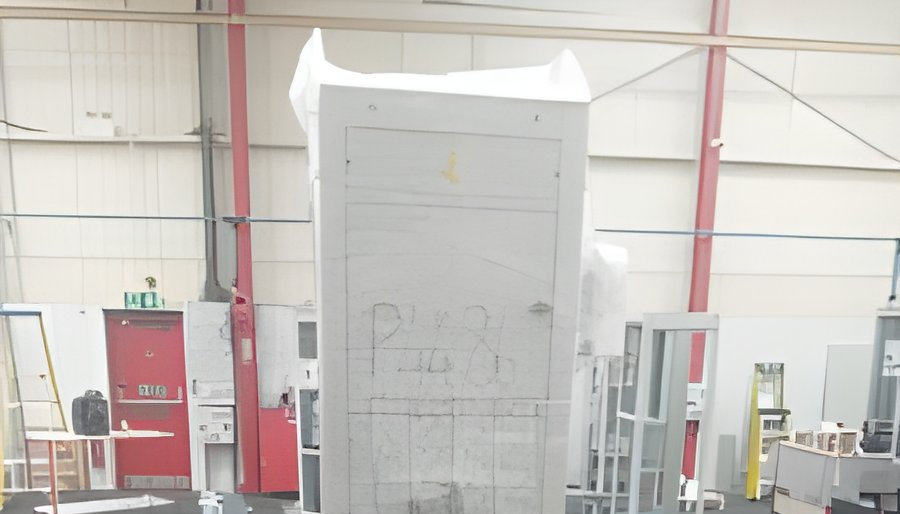
Electrical Company Fined After Worker Crushed By Unsecured Load
Fri 16th Oct 2026
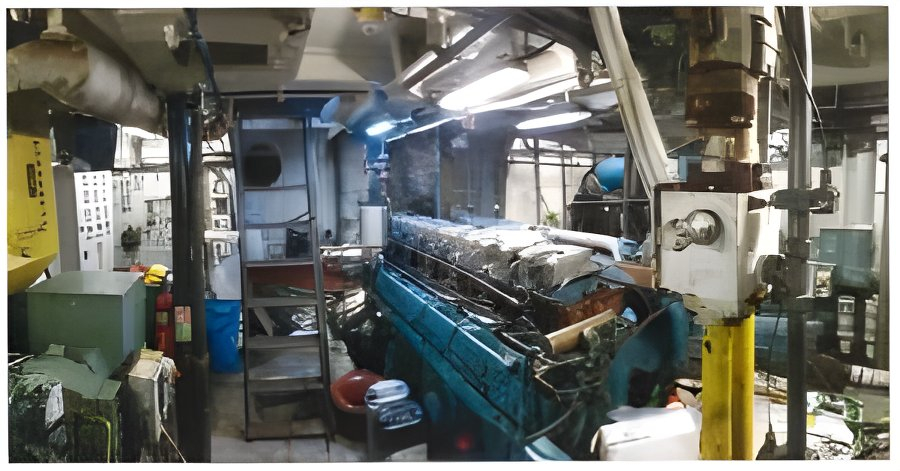
Apprentice Dies After Engine Room Fire Suppression Activation
Fri 16th Oct 2026


Life Changing Injury During Filming From A Moving Vehicle
Thu 15th Oct 2026


HSE Urges Early Action On Noise And Vibration Risks
Tue 13th Oct 2026
Landlord Sentenced For Failing To Arrange Annual Gas Safety Checks
Mon 12th Oct 2026


Worker Suffers Partial Thumb Loss During Manual Handling Task
Wed 7th Oct 2026