Common PPE Mistakes That Can Undermine Workplace Safety

Common PPE Mistakes That Can Undermine Workplace Safety

Summary
PPE can fail to provide the expected protection when it is poorly selected, does not fit the wearer, conflicts with other equipment or is used incorrectly. For workplaces in Great Britain, managers and supervisors should treat PPE as part of a wider risk-control process and monitor whether the equipment remains suitable throughout its use.
Using PPE Before Considering Better Controls
One of the most basic errors is moving directly to PPE without considering whether the risk can be controlled more effectively by other means.
PPE protects the individual wearer and depends on correct use. The risk assessment should first consider measures higher in the hierarchy of control. Where a residual risk remains, PPE can then form part of the control arrangements.
Managers reviewing PPE requirements should be able to explain which risk remains, why PPE is required and what protection the chosen equipment is expected to provide. A long-standing site rule should not be treated as sufficient evidence that the current equipment is still appropriate.
Selecting Equipment That Does Not Match the Hazard
A PPE category does not describe the protection required in enough detail. Eye protection, for example, may need to address impact, dust, chemical splash or other specific hazards. Hand, foot, head and body protection also vary according to the risks involved.
Selection should therefore begin with the task and exposure, not with the equipment already held in stores.
Managers should give suppliers sufficient information about the work and should check the manufacturer's information for the equipment being considered. Product compliance alone does not establish that an item is suitable for a particular workplace risk.
Treating Fit as a Minor Issue
PPE that does not fit correctly may not provide the intended protection. Size, weight, adjustability and the physical characteristics of the wearer should form part of the selection process.
Issuing one model or size across a workforce can create problems where workers have different physical requirements. A worker should not have to alter PPE simply to make an unsuitable item wearable.
Supervisors should also pay attention to how equipment fits during the real task. Problems may become apparent when workers move, bend, communicate or wear the PPE for the required period.
Failing to Check PPE Compatibility
Several individually suitable items can become unsuitable when worn together.
Safety glasses may interfere with some respiratory protective equipment. Head protection and hearing protection may also need to be selected as a compatible combination. Similar problems can arise whenever one item affects the position, fit or function of another.
Compatibility should be assessed during selection and observed in use. Where equipment is changed, the combination should be reconsidered rather than assuming the replacement will work with existing PPE.
Assuming Workers Know How to Use PPE
Issuing equipment does not establish that it will be used correctly. Workers need suitable information, instruction and training covering why the PPE is required, when it must be worn, how it should be used and what its limitations are.
Supervisors should be capable of recognising poor fitting and misuse. They should also address shortcuts that develop during routine work.
A worker removing required PPE because a task lasts only a short time can still be exposed to the risk identified in the assessment. Duration does not remove a PPE requirement where the assessment says protection is needed.
Allowing Damaged PPE to Remain in Service
Reusable PPE needs suitable maintenance and storage. Depending on the equipment, this may include inspection, cleaning, testing, repair or replacement.
Workers should know how to report loss or obvious defects. Supervisors need a clear response when those reports are made so that damaged equipment is not returned to use without being made serviceable.
Storage also matters. PPE can deteriorate or become contaminated when it is left in unsuitable conditions.
Common Compliance Gaps
Recurring weaknesses include selecting familiar equipment without checking the current risk assessment, failing to provide suitable sizes, and introducing a new PPE item without testing compatibility with existing equipment.
Other gaps include limited training, poor defect reporting, unclear maintenance responsibility and supervisory checks that concentrate only on whether PPE is present.
Manager Checklist
- Confirm PPE is being used for risks that remain after other control measures have been considered.
- Match each item to the specific hazard and working conditions.
- Check that workers can obtain equipment in a suitable size and fit.
- Test combinations of PPE before they become standard issue.
- Verify that workers understand correct use and equipment limitations.
- Observe tasks for poor fitting, misuse or removal of required PPE.
- Remove defective equipment from service and provide suitable replacement arrangements.
- Review storage and maintenance arrangements for reusable PPE.
Frequently Asked Questions
Is compliant PPE automatically suitable for a workplace task?
No. The equipment still needs to be selected for the particular risk, working conditions and wearer.
Can employees alter PPE to make it fit?
PPE should be selected and adjusted so that it fits correctly. Altering unsuitable equipment is not a substitute for providing an appropriate size or type.
Does PPE still have to be worn for a very short task?
Where the risk assessment requires PPE for the activity, the short duration of the work does not remove that requirement.
Why should workers be involved in PPE selection?
Their involvement can identify practical issues with fit and wearability before equipment becomes routine issue.
Tags: article, ppe, core health & safety, compliance, audit
In Other News



Sign up to our newsletter
Most Read



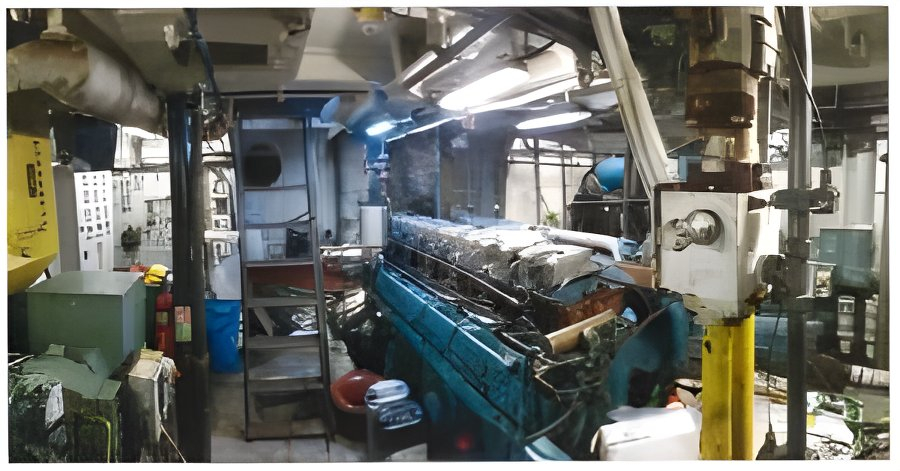
Apprentice Dies After Engine Room Fire Suppression Activation
Fri 16th Oct 2026
Electrical Company Fined After Worker Crushed By Unsecured Load
Fri 16th Oct 2026

Life Changing Injury During Filming From A Moving Vehicle
Thu 15th Oct 2026


HSE Urges Early Action On Noise And Vibration Risks
Tue 13th Oct 2026
Landlord Sentenced For Failing To Arrange Annual Gas Safety Checks
Mon 12th Oct 2026

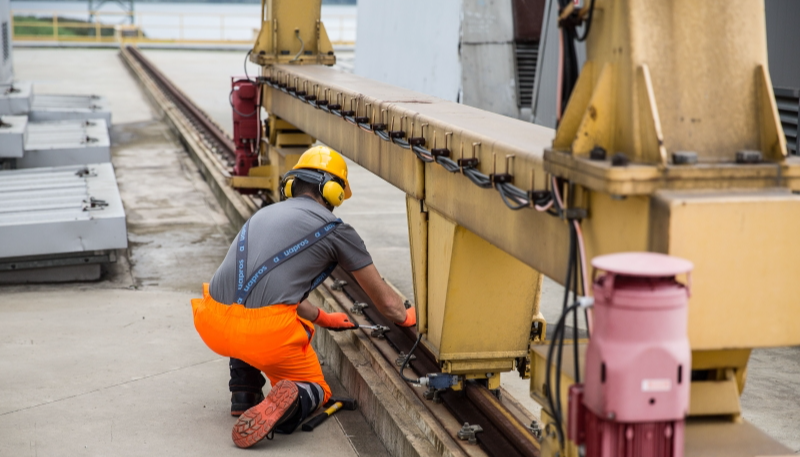

Worker Suffers Partial Thumb Loss During Manual Handling Task
Wed 7th Oct 2026