
Large Fine After Steam Scald Injuries In Factory

Large Fine After Steam Scald Injuries In Factory
Brief Summary
Two workers were scalded while replacing a leaking gasket on an isolation valve on steam pipework. The employer had not risk assessed the task, did not document a safe system of work, and failed to apply or verify isolation and lock off procedures. The case illustrates the need to plan intrusive work and to prove control measures before starting work.
What Was The Incident?
Two men were replacing a leaking gasket on an isolation valve in a boiler room. The intended access from a gantry did not reach the valve so both stepped off the gantry and worked on top of the boiler. When the gasket was removed hot water from the pipework splashed both men. One sustained about 4 to 5 percent subdermal burns and the other about 9 percent subdermal second degree burns. The investigation found no suitable risk assessment or written safe system of work for the task, isolations and lock off procedures were not used or proved, work at height controls were inadequate and supervision and monitoring were lacking.
What Was The Outcome?
The employer pleaded guilty to breaching Section 2 of the Health and Safety at Work etc. Act 1974 and was fined £594,000. The employer was ordered to pay £5,834 in prosecution costs, a £2,000 victim surcharge and £6,000 in compensation to the injured employee. All sums are to be paid by 4 January 2027.
Key Points To Consider
Risk assess and record the task. Prepare and approve a written risk assessment and a safe system of work before intrusive maintenance. Include method statements, permits and isolation certificates and make sure the documentation is available to the team and supervising staff.
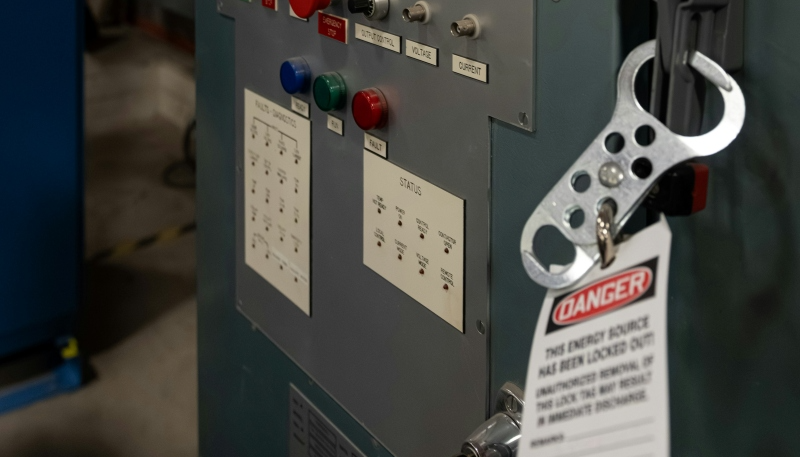
Prove isolation and lock off before work. Require isolation certificates and a test to prove the integrity of isolations before any intrusive work on pressurised systems. Use physical lock off devices and a clear handover process so workers can confirm the energy source is isolated.
Plan access and supervision for work at height. Confirm safe access and the right equipment for working at height so people do not need to step onto unsafe surfaces. Assign competent supervision, record checks and monitor work to make sure procedures are followed.
Tags: regulatory, news, lockout tagout, work at height, permit to work, safety training

In Other News


Sign up to our newsletter
Most Read






Worker Crushed In Unsupported Trench Causes Prosecution
Wed 9th Sep 2026


Worker Suffers Arm Fractures After Unguarded Conveyor
Fri 4th Sep 2026

Farmer Fined After ATV Overturn Kills Employee
Fri 4th Sep 2026

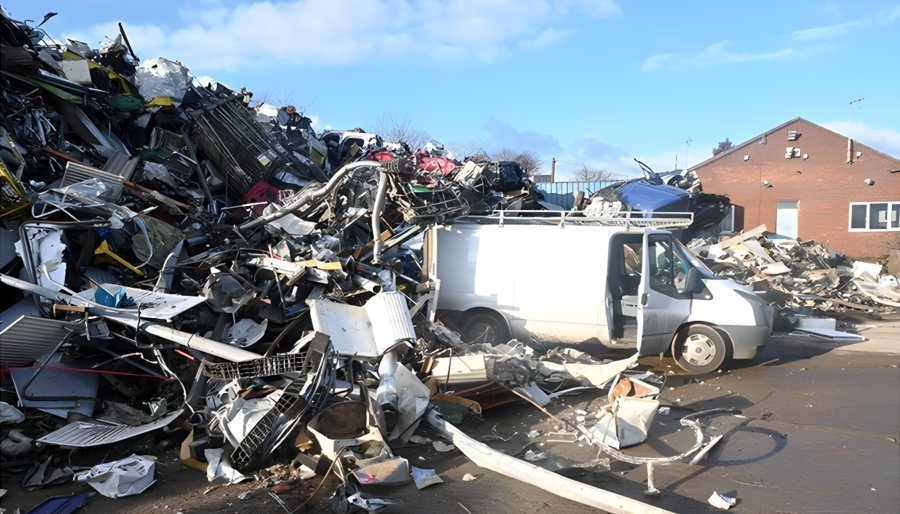
Public Injured When Scrap Metal Pile Collapsed
Wed 2nd Sep 2026
Supervisor Severely Injured After Entering Live Palletiser
Fri 28th Aug 2026

Six Figure Fine After Repeated Corrosion Under Insulation Leaks
Wed 26th Aug 2026
Worker Fractures Twelve Ribs During Pillar Drill Lifting Incident
Wed 26th Aug 2026