Two Contractors Fined After Temporary Platform Collapse Injures Worker
Two Contractors Fined After Temporary Platform Collapse Injures Worker
Brief Summary
An investigation found that temporary wooden platforms were not designed or assessed for safe loading, inspections did not identify the underlying design shortcomings, and planning, management and coordination of the work were inadequate. Both the principal contractor and a contractor responsible for the drilling work pleaded guilty to Construction Design and Management Regulations offences, leading to fines and costs.
What Was The Incident?
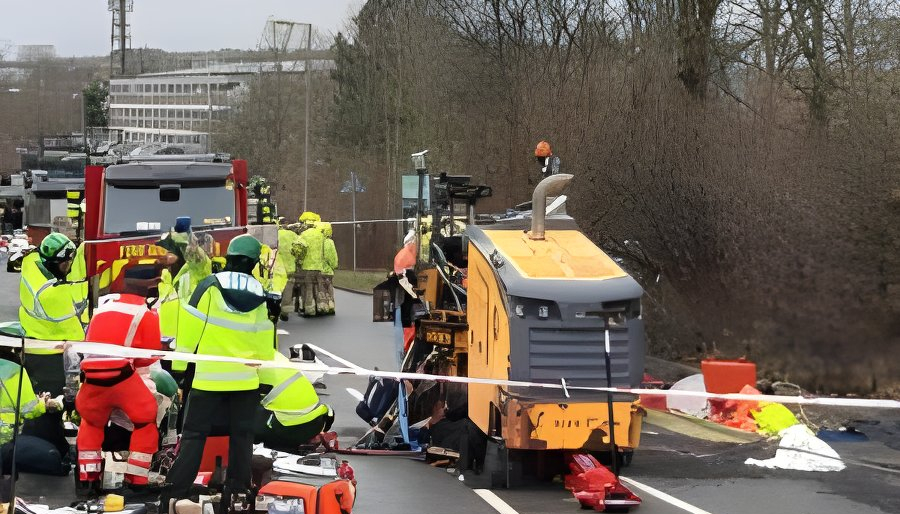
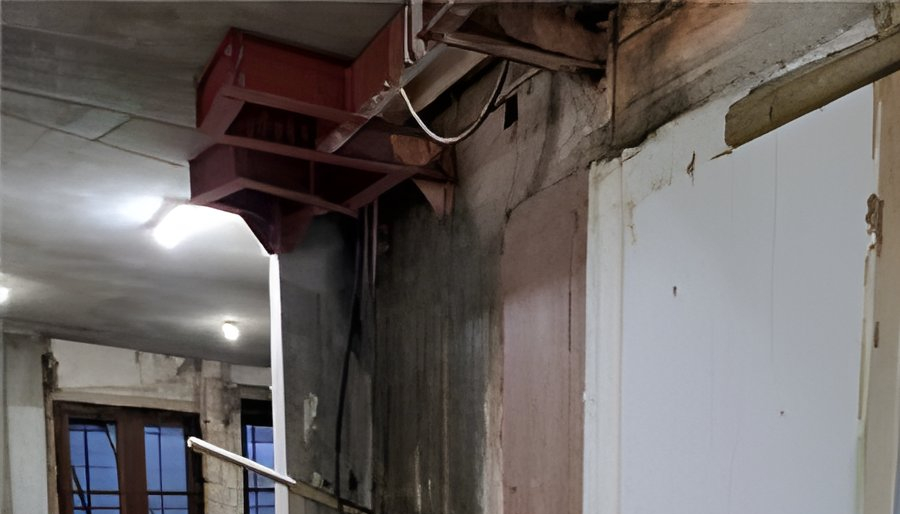
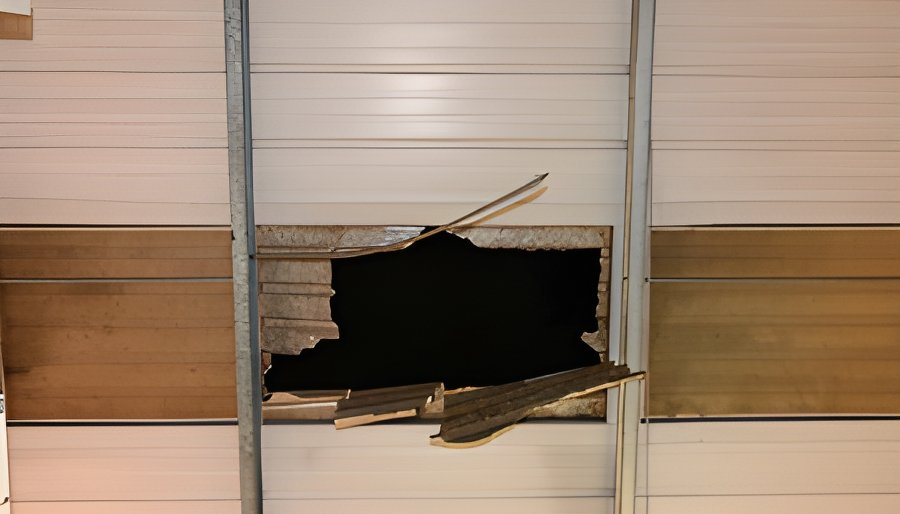
During a refurbishment project, concrete floors were cut to create openings for a service riser shaft. The principal contractor arranged temporary wooden platforms beneath each opening to collect concrete cores and debris. On 23 February 2024, a drilling operative was working directly under a temporary platform when it gave way and collapsed on top of him, along with chunks of concrete that had not been cleared. He suffered fractures to his neck and back, and a bleed on his brain.
What Was The Outcome?
The principal contractor pleaded guilty to breaching CDM 2015 Regulation 16(2) and was fined £19,333 plus costs of £5,548. The other contractor pleaded guilty to breaching CDM 2015 Regulation 15(2) and was fined £13,000 plus costs of £5,548. The prosecutions were brought following HSE investigation.
Key Points To Consider
Design temporary works for foreseeable loads. Temporary structures must be properly designed, installed and maintained to withstand any foreseeable loads, including the expected build up of debris.
Ensure competency and meaningful inspections. Inspections must be carried out by a competent person and they must be able to identify design and loading issues rather than simply completing paperwork.
Know the safe loading and control use. Do not rely on verbal instructions alone. Where platforms could be overloaded, the safe level of loading must be known and arrangements must exist to confirm it is being followed.
Plan, manage and monitor construction work effectively. Risk assessments and method statements must be consistent and clear, and the work must be supervised so that tasks are carried out safely and in line with the control measures.
Coordinate work to prevent foreseeable hazards. Even when workers understand they should not work directly below one another, effective coordination is essential so that everyone knows who will work where and when.
Tags: regulatory, news, construction safety, work at height, contractor safety, fall protection
In Other News

Sign up to our newsletter
Most Read