Refinery Fined After Corrosion Led To Major LPG Leak
Refinery Fined After Corrosion Led To Major LPG Leak
Brief Summary
An employer was fined £1 million after a partial collapse at an oil refinery resulted in an uncontrolled release of liquefied petroleum gas over 33 hours. The regulator found corrosion of a large steel tower, identified years earlier, was not effectively managed, exposing workers to serious injury risks.
What Was The Incident?
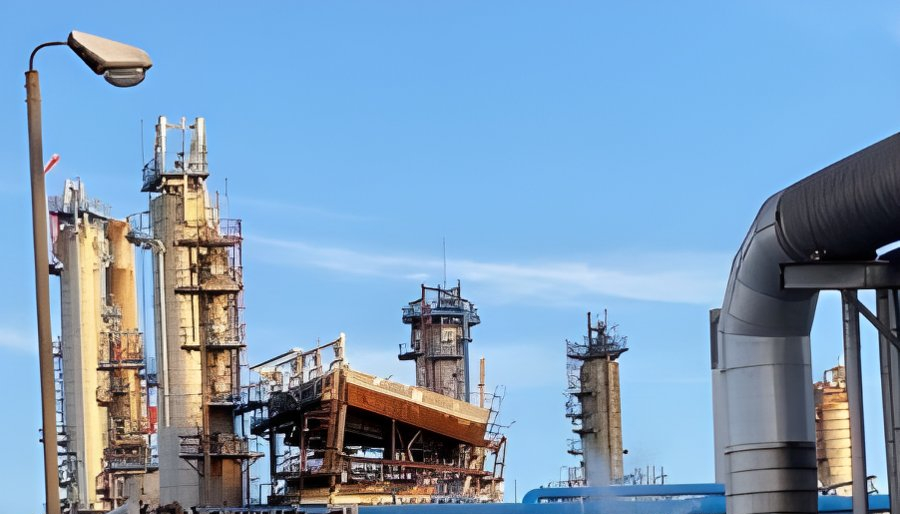
On 8 November 2022, a large steel tower at the refinery partially collapsed. The structure slewed and ruptured pipework, causing an uncontrolled release of liquefied petroleum gas. Approximately 400 kg of gas was released within just over 30 minutes after the collapse, and around 2,400 kg was lost over a 33 hour period while containment was being addressed.
What Was The Outcome?
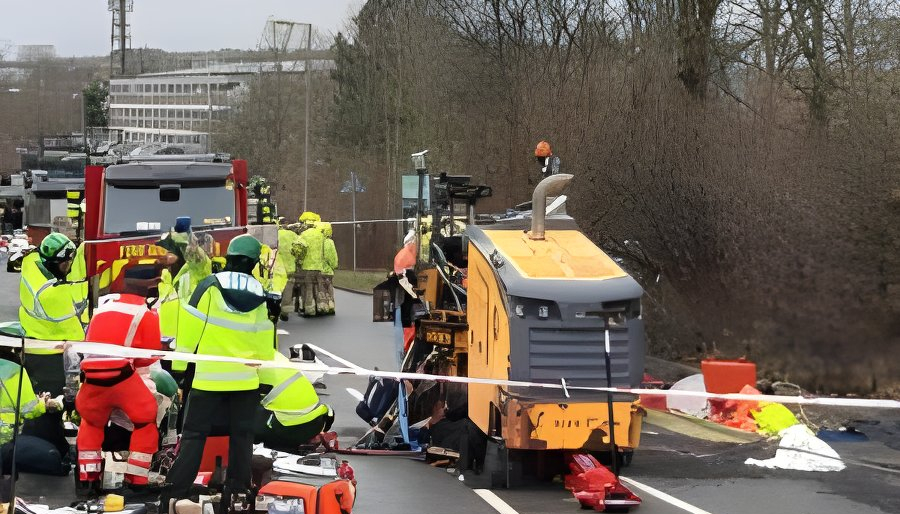
The employer was fined £1 million. The incident resulted in emergency measures including water curtains to reduce spread of the flammable vapour, and it took about 33 hours to isolate the affected process and safely vent remaining substances to the flare system. No injuries were reported. The prosecution followed an HSE investigation that identified long standing corrosion of the steel tower that had not been dealt with appropriately.
Key Points To Consider
Act early on corrosion risks. If corrosion is identified, control actions must be taken promptly to prevent deterioration that could contribute to structural failure and loss of containment.
Ensure tower and pipework integrity is maintained. Dutyholders must keep equipment in a safe condition and maintain the integrity of structures and pipework so hazardous substances cannot be released.
Strengthen inspection and follow up. Having a corrosion issue identified is not enough on its own. Findings must lead to effective risk control measures that are actually implemented.
Consider major hazard consequences for workplace safety. Where major hazard substances are present, workers near plant can face serious injury risks from falling debris and burns if release occurs and the vapour ignites.
Plan and practice response to protect containment. Emergency measures such as water curtains can help limit spread of flammable vapour, but safe isolation and venting still require effective procedures to manage time to containment.
Tags: regulatory, news, gas detection, hazmat, emergency planning, incident management, fire safety

In Other News

Sign up to our newsletter
Most Read