Stepladder Collapse Causes Rib And Collarbone Fractures
Wed 12th Aug 2026 by HS Hub
Stepladder Collapse Causes Rib And Collarbone Fractures

Brief Summary
An employer was prosecuted after an employee fell when a stepladder gave way. The investigation found ladders in poor condition left available for use and staff who had not been trained to assess ladder safety. The case is a reminder to health and safety professionals to manage ladder condition training and controls for work at height.
What Was The Incident?
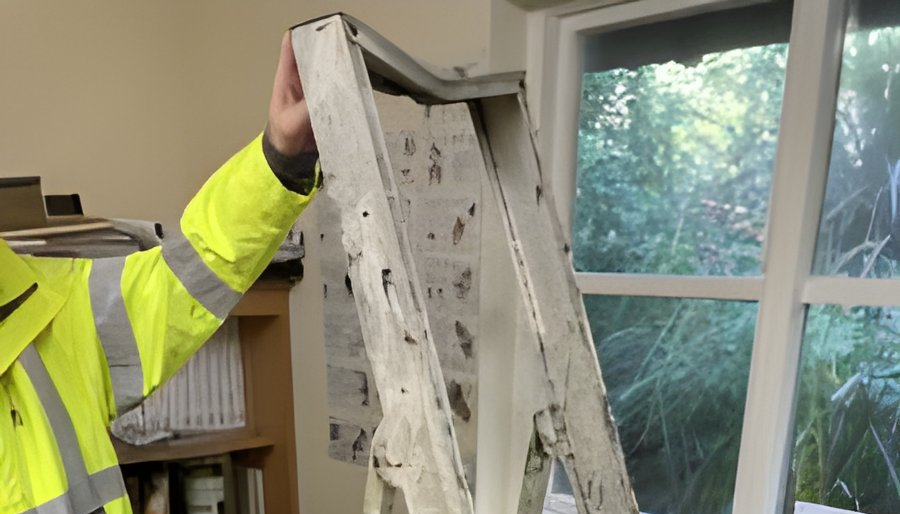
While attempting to access a loft space at a workplace, an employee climbed a stepladder that failed near the top and fell to the ground. The fall caused a fractured collarbone and broken ribs. The regulator found that ladders were stored outside in poor condition and remained accessible to staff, and that employees had not received training on how to check whether a ladder was safe to use.
What Was The Outcome?
The employer pleaded guilty to breaching Section 2(1) of the Health and Safety at Work etc Act 1974. The court fined the employer £6000 and ordered payment of £4000 in costs. The prosecution noted failures in the management of work at height and ladder control.
Key Points To Consider
Manage ladder condition and access. Establish a system to identify, remove and replace ladders that are not in a good state of repair and prevent unsafe ladders from being available for use.
Train staff to check ladders. Provide practical training so employees can recognise defects and carry out basic pre use checks before using a ladder and know when to stop work and report equipment concerns.
Control work at height activities. Review tasks that involve working at height, choose suitable access equipment where appropriate, and put written procedures in place for inspection maintenance storage and supervision.
Tags: regulatory, news, work at height, access equipment, safety training, fall protection
In Other News



Sign up to our newsletter
Most Read



Electrical Company Fined After Worker Crushed By Unsecured Load
Fri 16th Oct 2026
Apprentice Dies After Engine Room Fire Suppression Activation
Fri 16th Oct 2026

Life Changing Injury During Filming From A Moving Vehicle
Thu 15th Oct 2026

HSE Urges Early Action On Noise And Vibration Risks
Tue 13th Oct 2026
Landlord Sentenced For Failing To Arrange Annual Gas Safety Checks
Mon 12th Oct 2026

Worker Suffers Partial Thumb Loss During Manual Handling Task
Wed 7th Oct 2026