
Managing Workplace Risk: From Assessment to Effective Controls
Thu 13th Aug 2026 by HS Hub

Managing Workplace Risk: From Assessment to Effective Controls

Overview
A risk assessment should give managers a reliable picture of where people could be harmed and what the organisation is doing about it. Its usefulness depends on what happens afterwards: controls must be implemented, communicated, checked and changed when the work or the risk changes.
For workplaces in Great Britain, the Management of Health and Safety at Work Regulations 1999 provide the general risk-assessment duty. Northern Ireland operates under separate 2000 Regulations and HSENI guidance.
Know Where the Main Risks Are:
Managers do not need an elaborate assessment for every minor workplace issue. The assessment should concentrate attention on hazards capable of causing harm and provide enough information to make sensible decisions about precautions. HSE describes risk assessment as one part of the wider process of controlling workplace risk.
The starting information should come from more than previous assessment forms. Managers should expect assessors to observe work, consider equipment and substances, examine accident and ill-health records and look at activities that happen less frequently, including maintenance and cleaning.
Talking to workers is particularly useful. People performing the job may identify unsafe practices, changes in working methods or practical difficulties that are not apparent from written procedures. Employers also have consultation duties covering workplace risks, precautions and changes that may substantially affect health and safety.
Make controls specific enough to manage:
An assessment should distinguish between what is already controlled and what still requires action. HSE's process asks employers to identify who could be harmed, what controls already exist, what further measures are needed, who is responsible for them and when the work should be completed.
That level of detail matters for management assurance. A statement such as "staff to take care" gives little indication of what should happen in practice. Controls such as changing equipment, redesigning a job, altering the process or introducing a defined safe system can be observed and checked.
Managers should also consider whether different people face different levels of risk. HSE identifies groups who may have particular requirements, including young workers, new or expectant mothers, migrant workers and people with disabilities. Contractors, visitors and members of the public should also be considered where the undertaking could expose them to harm.
Keep action tracking connected to the assessment:
The assessment process can break down between identifying an improvement and actually completing it. Managers should therefore be able to see outstanding actions, responsible people and expected completion dates. Overdue measures should be challenged according to the risk they leave uncontrolled.
Where an organisation employs five or more people, significant findings must be recorded. HSE says the record should include significant hazards, who could be harmed and the measures being used to control the risks. It also cautions against making paperwork the priority over practical control.
Use workplace evidence to test whether it still works:
A review should do more than change the date on the assessment. Managers should ask whether the stated controls remain available, are being used and still address the current work.
HSE requires controls to be reviewed to make sure they are working. Changes to staff, processes, substances or equipment can create new risks. Problems raised by workers, accidents and near misses are also reasons to consider a review.
Observation, inspections, incident information and conversations with supervisors can therefore provide useful evidence about whether the assessment still matches reality.
Decide what competence is needed:
The employer must appoint competent assistance for health and safety. The level needed should match the organisation and its risks. HSE defines competence in terms of skills, knowledge and experience and notes that formal qualifications are not normally a legal requirement for a competent person.
An office with familiar hazards may be managed using internal knowledge. A complex process or higher-risk workplace may need specialist advice. Where external help is used, responsibility for managing health and safety remains with the employer.
Common Compliance Gaps:
Managers should question arrangements where large numbers of assessments look almost identical, review dates are changed without evidence of a real review, or actions remain outstanding for long periods.
Other warning signs include workers being unaware of the controls, changed equipment or processes still covered by an old assessment, and risk assessments that concentrate on routine work while ignoring maintenance, cleaning or contractors.
Manager Checklist
- Can managers identify the organisation's significant workplace risks?
- Is there evidence that assessors observe how tasks are performed?
- Are workers consulted about hazards and workable controls?
- Can every important control be checked in practice?
- Are outstanding actions visible and actively managed?
- Are assessments connected to incident and near-miss information?
- Does change management trigger risk-assessment review?
- Is competent advice matched to the complexity of the risk?
Frequently Asked Questions
How detailed should a risk assessment be?
It should contain enough detail to identify significant risks and decide what controls are needed. HSE advises employers not to overcomplicate assessments in workplaces where risks are straightforward.
Can a template be used?
Yes. HSE provides templates and examples, but they are tools for recording an assessment. The assessment still needs to consider the employer's own workplace, hazards and controls.
Who should be involved?
Employees should be involved, and the assessment should consider contractors, visitors, members of the public and workers with particular requirements where they could be affected.
What should trigger an early review?
Changes to people, processes, substances or equipment, evidence that controls are ineffective, worker concerns, accidents and near misses can all indicate that a review is needed.
Tags: article, core health & safety, compliance, incident management
In Other News




Sign up to our newsletter
Most Read



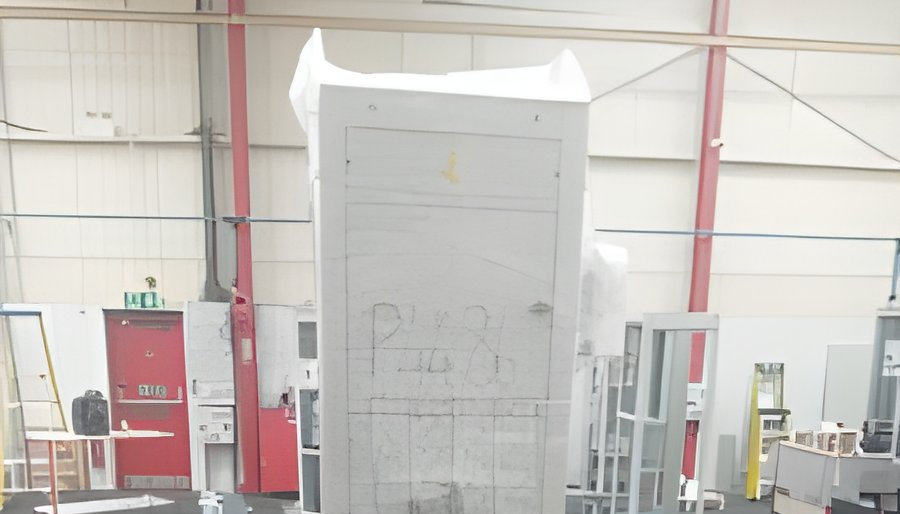
Electrical Company Fined After Worker Crushed By Unsecured Load
Fri 16th Oct 2026
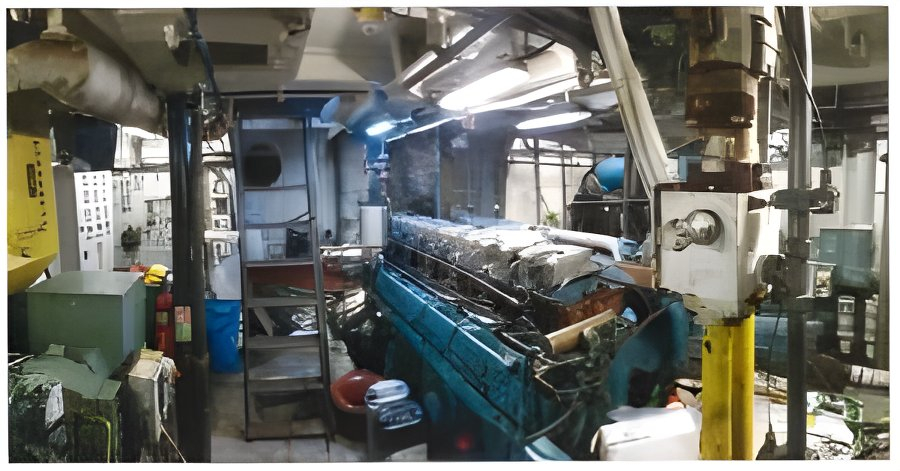
Apprentice Dies After Engine Room Fire Suppression Activation
Fri 16th Oct 2026

Life Changing Injury During Filming From A Moving Vehicle
Thu 15th Oct 2026


HSE Urges Early Action On Noise And Vibration Risks
Tue 13th Oct 2026
Landlord Sentenced For Failing To Arrange Annual Gas Safety Checks
Mon 12th Oct 2026


Worker Suffers Partial Thumb Loss During Manual Handling Task
Wed 7th Oct 2026