Unsafe Roof Work Leads To Prosecution And Fines
Tue 18th Aug 2026 by HS Hub
Unsafe Roof Work Leads To Prosecution And Fines

Brief Summary
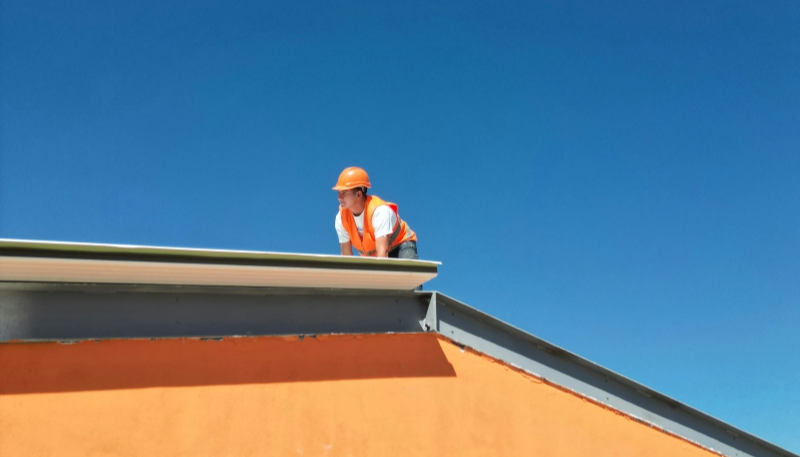
During an extension and refurbishment project in central London, workers carried out roof work without basic fall prevention measures. The principal failures were lack of safe access and absence of edge protection that had been identified in the roofing subcontractor risk assessment. The case shows the consequences when risk assessments are not turned into implemented controls and when repeated warnings are not followed by lasting corrective action.
What Was The Incident?
Photographs from members of the public showed operatives working on a roof with no edge protection and no safe means of access. Workers were seen on a makeshift platform balanced on a stepladder. The roofing subcontractor risk assessment had identified scaffolding and other controls as necessary but those measures were not in place. The project had multiple site management changes and HSE inspectors had previously intervened after concerns raised between 2021 and 2023, but unsafe roof work continued into January 2024, leaving workers at risk of falls from height.
What Was The Outcome?
A construction company pleaded guilty to breaching Regulation 4(1) of the Work at Height Regulations 2005 and was fined £4,020 with a surcharge of £1,608. A director pleaded guilty to breaching Section 33(1)(a) of the Health and Safety at Work etc Act 1974 by virtue of section 37(1) and was fined £2,300, ordered to pay a surcharge of £1,108 and costs of £8,000. The sentencing took place at a magistrates court on 22 July 2026.
Key Points To Consider
Control measures must be implemented not just documented. Check that risk assessments specify practical controls such as full edge protection scaffolding and safe access and verify those controls are installed before work starts and maintained for the duration of the task.
Ensure competent supervision and oversight of subcontractors. Confirm subcontractors have the competence and resources to carry out the work safely, record who is responsible for site supervision, and routinely audit that workers and supervisors follow the specified controls.
Act on warnings and keep records of corrective action. When inspectors or the public raise concerns, take prompt remedial steps, document the actions taken and the checks that show the problem has been fixed to demonstrate sustained compliance.
Tags: regulatory, news, work at height, fall protection, construction safety, contractor safety, access equipment
In Other News



Sign up to our newsletter
Most Read


Electrical Company Fined After Worker Crushed By Unsecured Load
Fri 16th Oct 2026
Apprentice Dies After Engine Room Fire Suppression Activation
Fri 16th Oct 2026

Life Changing Injury During Filming From A Moving Vehicle
Thu 15th Oct 2026

HSE Urges Early Action On Noise And Vibration Risks
Tue 13th Oct 2026
Landlord Sentenced For Failing To Arrange Annual Gas Safety Checks
Mon 12th Oct 2026

Worker Suffers Partial Thumb Loss During Manual Handling Task
Wed 7th Oct 2026