
Arm Severed While Clearing Autoclave Blockage
Wed 19th Aug 2026 by HS Hub
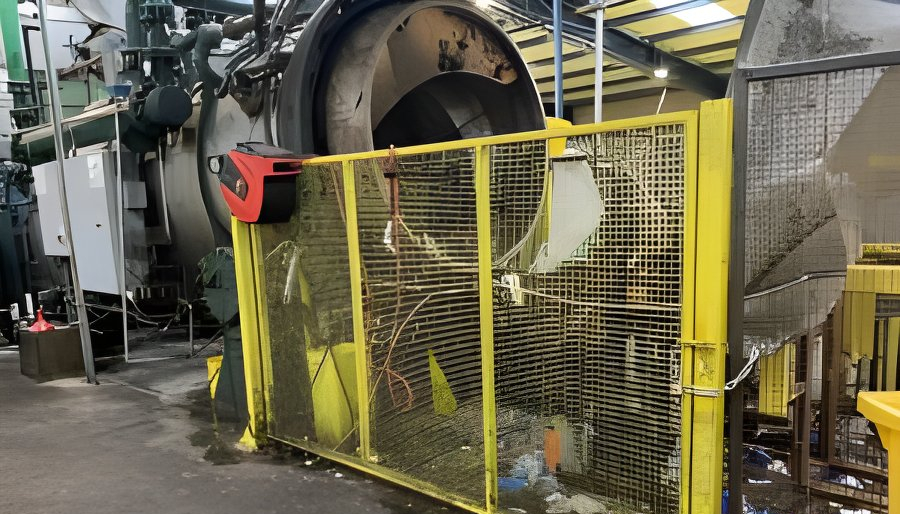
Arm Severed While Clearing Autoclave Blockage

Brief Summary
A worker entered the enclosure around an autoclave to remove debris and his left arm was trapped and severed when the machine was restarted. The regulator found failures in isolation, information and training and brought a prosecution. The case shows the practical need to check isolation procedures, access controls and competence where machines are cleaned or maintained.
What Was The Incident?
During a night shift the employee walked through an unsecured rear gate into the enclosure around a rotoclave to clear a blockage. His colleague could not see him and, because of miscommunication, restarted the machine. The worker's left arm was trapped and crushed by the door and severed below the elbow. He required emergency surgery and subsequent operations and continues to have limited movement and persistent pain. The regulator's investigation found that the employer had not properly isolated the machine before cleaning, had not provided sufficient instruction about safe use and cleaning, and had given inadequate training and supervision.
What Was The Outcome?
The employer pleaded guilty to breaching Section 2(1) of the Health and Safety at Work etc Act 1974. The company was fined £300,000 and ordered to pay costs of £18,710. The prosecution was brought by the Health and Safety Executive.
Key Points To Consider
Safe isolation and lock off. Check and document isolation procedures for every machine task including cleaning and unblocking. Make sure isolation points are identified, lockable where appropriate, and tested before anyone enters an enclosure and that controls cannot restart the machine while people are exposed.
Access control and physical guarding. Review enclosures gates and access routes so people cannot enter live zones. Fit interlocks or other means to prevent operation when a gate is open and provide clear local controls and sightlines or communication measures so colleagues cannot accidentally restart equipment.
Training supervision and safe work instructions. Provide clear written procedures for use cleaning and blockage clearing, train workers on those procedures and on isolation steps, and supervise staff until competence is demonstrated and regularly reassess competence and supervision levels.
Tags: regulatory, news, lockout tagout, machinery safety, safety training
In Other News



Sign up to our newsletter
Most Read



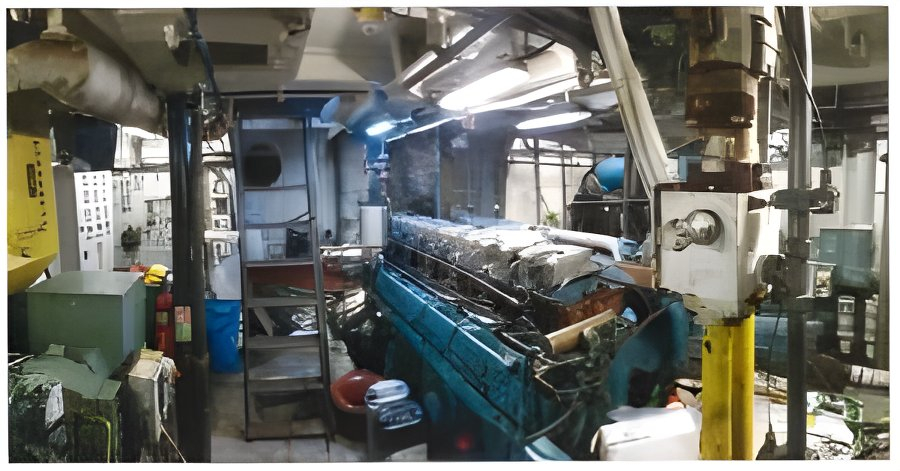
Apprentice Dies After Engine Room Fire Suppression Activation
Fri 16th Oct 2026
Electrical Company Fined After Worker Crushed By Unsecured Load
Fri 16th Oct 2026

Life Changing Injury During Filming From A Moving Vehicle
Thu 15th Oct 2026


HSE Urges Early Action On Noise And Vibration Risks
Tue 13th Oct 2026
Landlord Sentenced For Failing To Arrange Annual Gas Safety Checks
Mon 12th Oct 2026


Worker Suffers Partial Thumb Loss During Manual Handling Task
Wed 7th Oct 2026