Waste Company Fined After Unassessed Conveyor Exposure Causes Serious Injury
Waste Company Fined After Unassessed Conveyor Exposure Causes Serious Injury
Brief Summary
A waste management company was prosecuted after an employee sustained serious injuries while loading a bin conveyor. The regulator found the employer did not have a suitable and sufficient risk assessment and failed to provide suitable guarding, leading to a financial penalty and costs.
What Was The Incident?
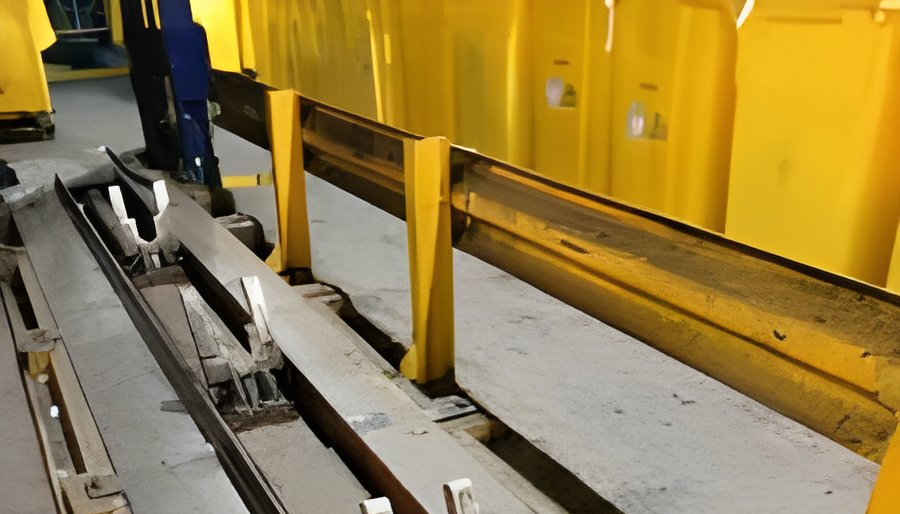
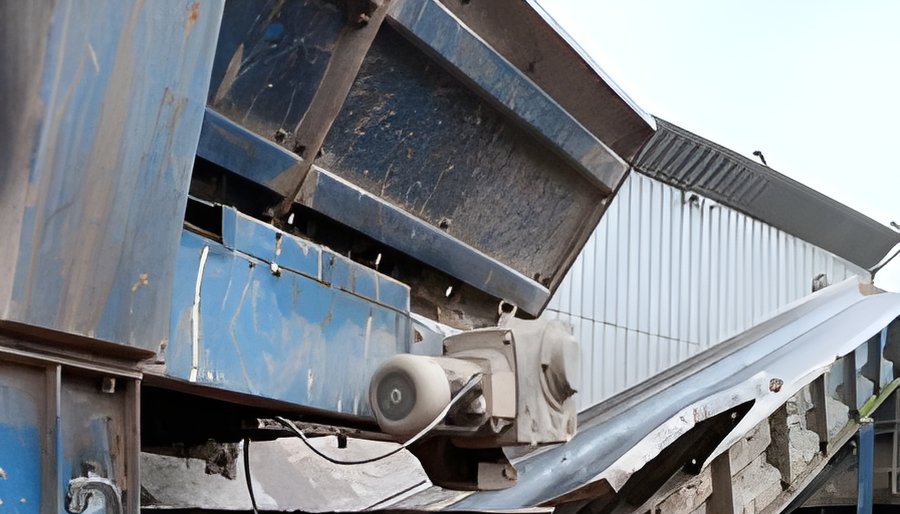
On 21 November 2024, at a site in Oldham, an 18 year old employee was loading a bin conveyor as part of clinical waste management work. His foot slipped into an unguarded conveyor channel and he suffered several serious fractures to his right leg.
What Was The Outcome?
The employer pleaded guilty to breaching Section 2(1) of the Health and Safety at Work etc Act 1974. It was fined £300,150, ordered to pay a victim surcharge of £2,000, and was also ordered to pay £3,931.85 in costs. The case was dealt with at Warrington Magistrates Court on 16 June 2026.
Key Points To Consider
Carry out suitable and sufficient risk assessments for machinery tasks. Risk assessment should specifically cover the routine task, identify how people could access danger zones, and ensure controls are based on what is reasonably foreseeable during the work.
Provide suitable guarding to prevent access to dangerous parts. Where machinery has dangerous moving parts, guarding should prevent a person from entering the danger zone, for example by using fixed guarding designed for the conveyor and task.
Stop danger movement when routine access is necessary. If people must access an area as part of the work, controls should stop movement of dangerous parts when access occurs, such as interlocked guards or pressure mats.
Use effective controls rather than relying on safe behaviour. The case shows that injuries can occur when guarding and controls are missing, so the system of work should prevent access and dangerous movement, not just depend on how individuals work.
Expect enforcement when basic machinery requirements are not met. Where employers fall below required standards for guarding and risk assessment, regulators can pursue prosecution and significant financial penalties along with costs.
Tags: regulatory, news, machinery safety, core health & safety, compliance

In Other News
Sign up to our newsletter
Most Read