Manufacturer Fined After Welding Fume and Noise Health Controls Failed

Manufacturer Fined After Welding Fume and Noise Health Controls Failed
Brief Summary
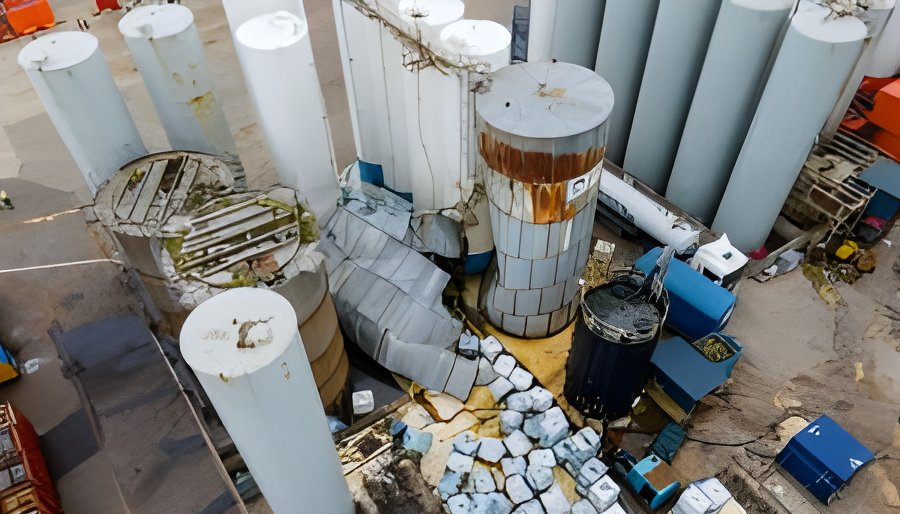
A Lancashire manufacturer of skips and metal containers was fined after HSE found workers were exposed to mild steel welding fumes without adequate control measures such as local exhaust ventilation or protective equipment, and without required health surveillance for noise. The employer did not comply with two improvement notices served in 2024 and 2025, showing a prolonged failure to put basic health protection controls in place.
What Was The Incident?
HSE inspected the employer site on 29 August 2024 and identified multiple health and safety issues, including high intensity mild steel welding carried out without adequate local exhaust ventilation, inadequate welfare facilities, and a lack of noise risk assessment. On return visits, inspectors found that the employer had not complied with improvement notices relating to welding fume control and health surveillance for noise. Employees were therefore left exposed to carcinogenic welding fumes and were not provided with health surveillance to monitor hearing throughout exposure to high noise levels.
What Was The Outcome?
The employer was found guilty at Warrington Magistrates Court of failing to comply with two improvement notices contrary to Section 33(1)(g) of the Health and Safety at Work Act 1974. It was fined £30,000, ordered to pay £4,571 in costs, and a victim surcharge of £2,000 was imposed on 16 June 2026.
Key Points To Consider
Comply with enforcement notices without delay. Repeated non compliance can lead to prosecution even where inspectors have already identified what must be put right.
Control welding fume exposure properly. Where suitable ventilation does not adequately control exposure, respiratory protective equipment should be provided and welding should not proceed without effective control measures.
Ensure noise risk controls include health surveillance. Where employees are regularly exposed to high noise levels, or are particularly at risk, hearing checks should be part of health surveillance to detect early damage and confirm control effectiveness.
Verify controls after enforcement action. Inspections and follow up visits tested whether the employer had actually implemented the required controls rather than simply acknowledging findings.
Assess health risks across the full workplace. HSE findings show that welding fume control, noise assessment, and other site issues need to be addressed together to protect workers from long term harm.
Tags: regulatory, news, coshh, occupational health, noise & vibration, ppe

In Other News
Sign up to our newsletter
Most Read