Manufacturing Company Fined For Unguarded Conveyor Injury

Manufacturing Company Fined For Unguarded Conveyor Injury
Brief Summary
A worker suffered surgical treatment and six weeks off work after reaching into a running conveyor to remove a cardboard box and becoming entangled in unguarded machinery. The regulator found the employer had not prevented access to dangerous parts of a powered conveyor linking two handling machines and prosecuted for a breach of the Provision and Use of Work Equipment Regulations 1998. The case is a reminder to safety professionals to treat guarding, task risk assessment and safe systems of work as routine controls for machinery.
What Was The Incident?
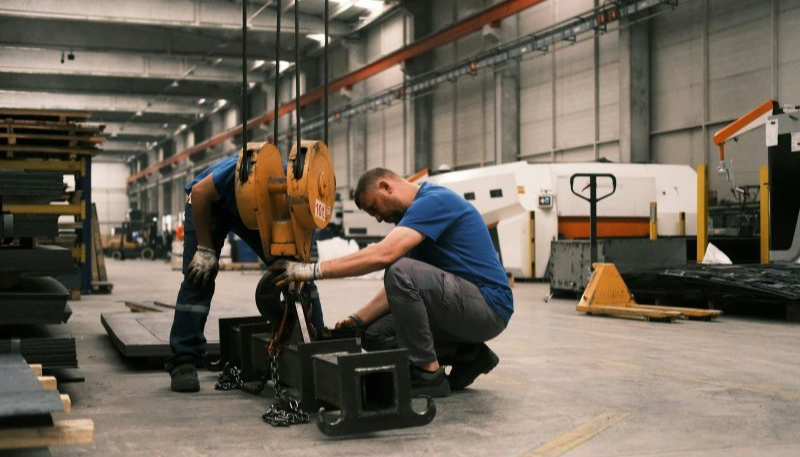
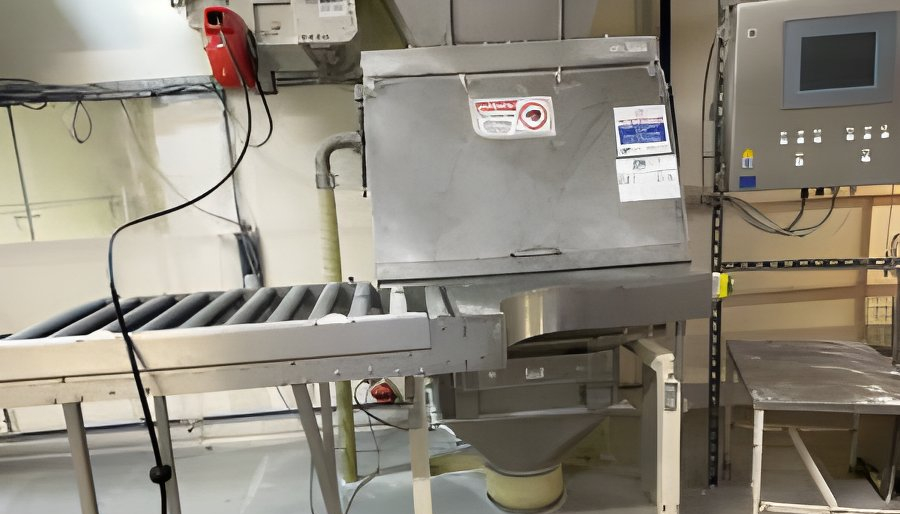
On 24 April 2024 an employee removed a cardboard box from a running conveyor and their hand became caught in the conveyor mechanism. The worker sustained a broken finger and bruising to three other fingers, required surgery and was unable to work for six weeks. The conveyor formed a powered link between two pieces of handling equipment in the packaging area. The Health and Safety Executive found the employer had failed to prevent access to dangerous moving parts by not providing suitable guarding or interlocking where routine access could be required.
What Was The Outcome?
The employer pleaded guilty to breaching Regulation 11(1) of the Provision and Use of Work Equipment Regulations 1998. The company was fined 100,000 and ordered to pay 6,468.18 in costs on 17 July 2026.
Key Points To Consider
Machine guarding. Review conveyors and any machinery that forms a powered link between pieces of equipment; fit fixed guards to stop access to moving parts and where routine access is needed use interlocking guards that stop movement before a person can reach the danger zone.
Safe work procedures. Confirm procedures require equipment to be stopped and isolated before removing debris or packed items; train and supervise staff in those procedures and ensure permit to work and lock off arrangements are used for tasks that expose workers to moving parts.
Inspection maintenance and records. Check that pre use inspections, maintenance schedules and safety checks cover guards and interlocks, that temporary removals are controlled and recorded, and that any defects are repaired before the equipment is returned to service.
Tags: regulatory, news, machinery safety, lockout tagout, compliance

In Other News

Managing Business Waste: What Managers Need to Control
Thu 6th Aug 2026

Managing Work at Height: From Planning to Safe Completion
Thu 30th Jul 2026

HSE Opens Investigation Into Highlands Farm Explosion
Thu 30th Jul 2026